
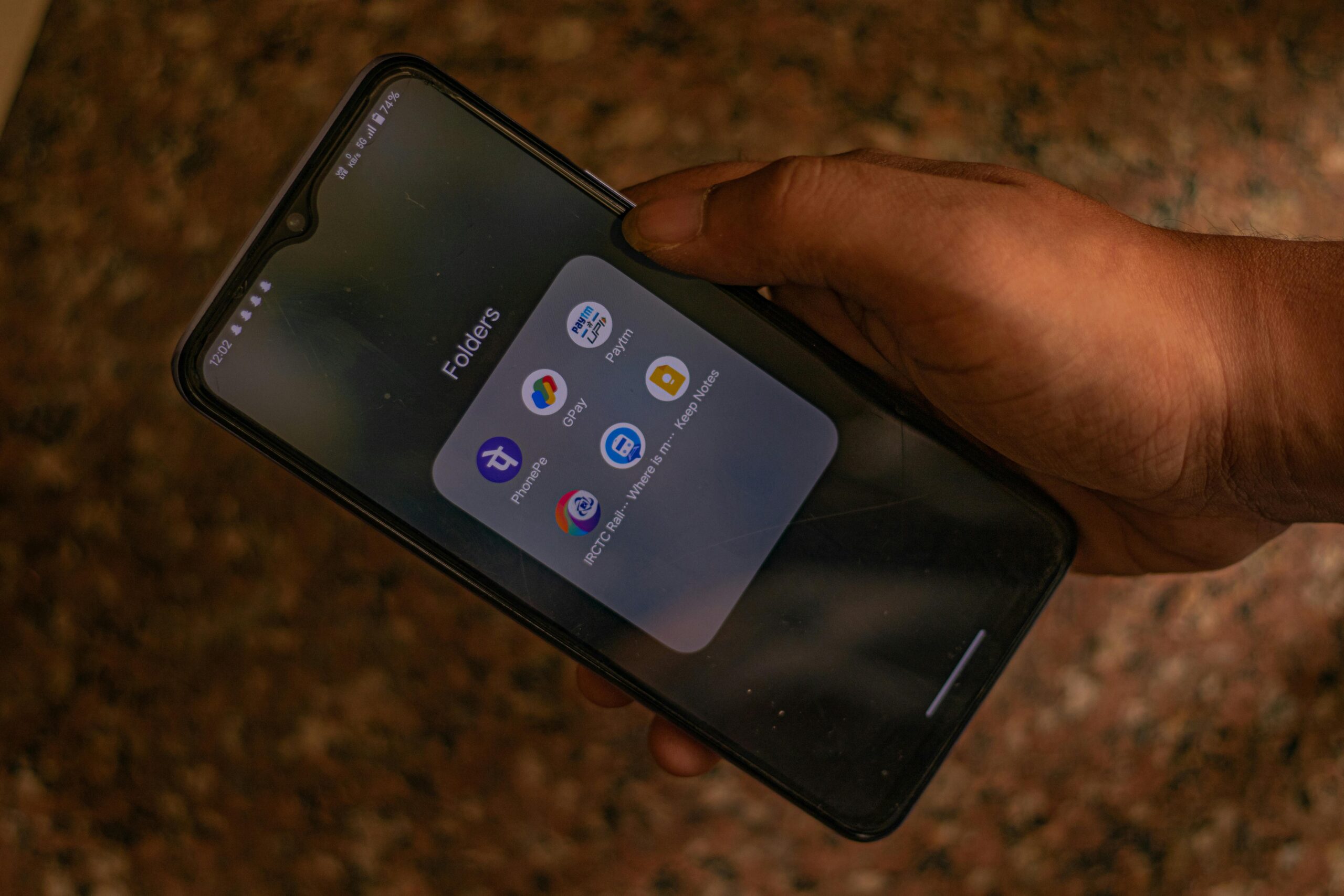
Digital Saving Tools India: Beginner-Friendly Guide to Save Smartly
Digital Saving Tools IndiaDiscover the best digital saving tools in India. Learn how apps, online accounts, and automation can help salaried individuals and students save money, track expenses, and build wealth efficiently.
Introduction:Digital Saving Tools India Why Digital Saving Tools Matter in India
With the rise of smartphones and digital banking in India, managing finances has never been easier. Digital saving tools offer a convenient, automated, and secure way to save money, track expenses, and reach financial goals.
For salaried individuals, students, and families, these tools help develop consistent saving habits, prevent impulsive spending, and maximize returns on investments. With consistent use, most users can save ₹2,000–5,000 per month, depending on their income and lifestyle.
This guide provides practical, beginner-friendly strategies to choose and use digital saving tools effectively.
Quick Start Checklist: Start Saving Digitally Today
- ✅ Download reliable saving apps for budgeting and expense tracking.
- ✅ Automate monthly transfers to savings or investment accounts.
- ✅ Set financial goals within apps for motivation.
- ✅ Leverage cashback and reward programs offered by digital wallets.
- ✅ Use digital-only banks and neo-banks for higher interest rates.
- ✅ Monitor spending patterns to identify areas for optimization.
Pro Tip: Even starting with ₹1,000–2,000 per month digitally can grow significantly over a year with disciplined use.
1. Expense Tracking Apps
Tracking expenses digitally ensures awareness and control over your finances:
- Popular apps in India: Walnut, Money Manager, GoodBudget, YNAB.
- Features: Categorize spending, set budgets, track recurring bills, generate expense reports.
- Benefit: Helps prevent overspending and identify “money leaks.”
Example: A student in Pune used Walnut to track daily expenses and saved ₹1,500/month by reducing unnecessary online food orders.
Pro Tip: Sync bank accounts with apps for automatic expense categorization.
2. Digital Savings Accounts
Digital-only banks (neo-banks) and online savings accounts provide higher interest rates than traditional banks:
- Popular options in India: Niyo, Kotak 811, Paytm Payments Bank, DBS digibank.
- Features: Zero or low minimum balance, instant account opening, higher interest rates on deposits.
- Benefit: Earn interest while maintaining liquidity.
Mini Case Study: A salaried professional earned an additional ₹1,200/year by switching a portion of savings to Kotak 811 digital savings account.
Pro Tip: Use multiple accounts for different goals: one for emergency funds, another for short-term goals.
3. Automated Recurring Transfers
Automation ensures consistency in savings without relying on willpower:
- Bank auto-transfer: Schedule transfers to savings accounts or recurring deposits (RDs).
- App-based auto-save: Apps like Groww, ET Money, or Paytm Money allow automatic transfers to investments or mutual funds.
- Benefit: Treat savings as a “fixed expense” and reduce the risk of overspending.
Example: Automating ₹5,000/month into a recurring deposit can accumulate over ₹60,000 in one year.
Pro Tip: Start small; even ₹500/month automation is better than inconsistent manual transfers.
4. Micro-Investing Apps
Micro-investing apps allow saving and investing with small amounts regularly:
- Popular apps: Groww, Paytm Money, Kuvera, INDmoney.
- Features: Invest in mutual funds, ETFs, SIPs, and gold with minimal capital.
- Benefit: Users can start investing with ₹100–500 per month and build wealth gradually.
Example: A user investing ₹1,000/month via SIP in a mutual fund can accumulate ₹2.5 lakh in 10 years (assuming 12% CAGR).
Pro Tip: Choose diversified, low-risk funds initially for beginner investors.
5. Digital Wallets & Cashback Apps
Digital wallets offer convenience and small savings on everyday transactions:
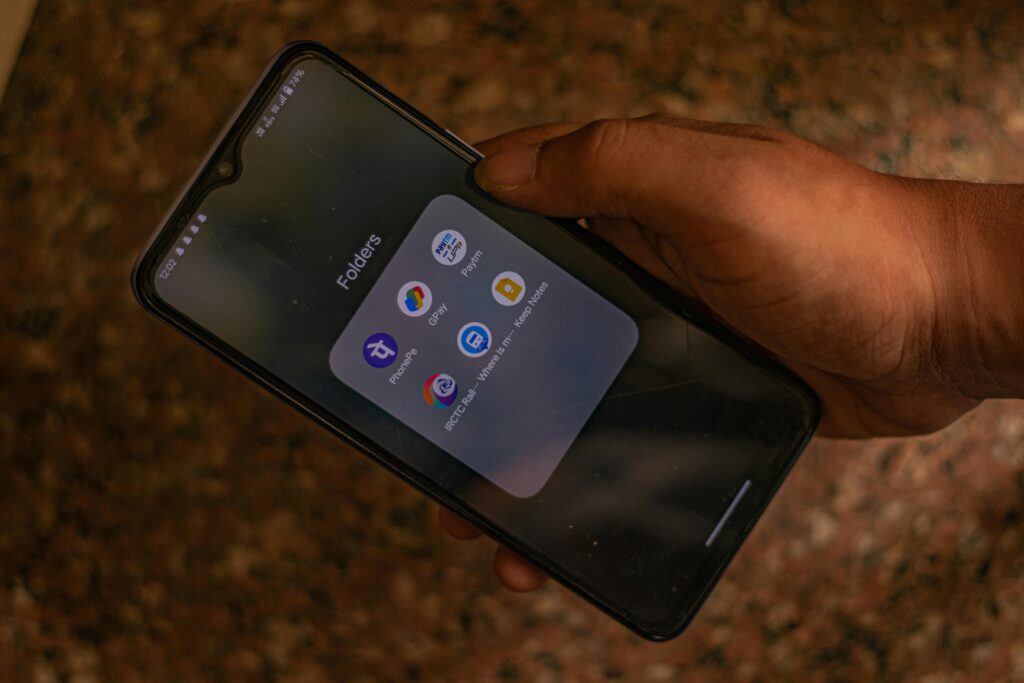
- Popular options: Paytm, PhonePe, Amazon Pay, Google Pay.
- Features: Cashback, reward points, discounts on bill payments, groceries, and online shopping.
- Benefit: Small savings accumulate over time when used for planned spending.
Caution: Avoid spending extra just to earn rewards—use for essential, planned purchases only.
6. Budgeting & Goal-Based Saving Apps
Apps that combine budgeting and goal-setting provide motivation and structure:
- Popular apps: Money View, ET Money, Cube Wealth.
- Features: Set goals (e.g., emergency fund, vacation, gadget), track progress, adjust budgets.
- Benefit: Users save purposefully, reducing impulse purchases.
Mini Case Study: A Mumbai family used ET Money goal tracking to save ₹50,000 in a year for a vacation by optimizing grocery and dining expenses.
Pro Tip: Start with 1–2 key goals and expand as you develop saving discipline.
7. Digital Fixed Deposits & High-Interest Accounts
Digital-only FDs and online banks offer higher interest than traditional banks:
- Platforms: ICICI Online FD, HDFC Digibank FD, Paytm Payments Bank FD.
- Benefit: Flexible tenure options, higher interest rates (up to 6–7%), and instant online setup.
Example: ₹1 lakh in a 1-year online FD at 6.5% yields ₹6,500 interest—higher than most physical bank FDs.
Pro Tip: Ladder your FDs with varying tenures for liquidity and returns.
8. Practical Examples of Digital Saving Tools in India
|
Tool Type |
Popular Options |
Benefits |
Potential Monthly Savings |
|
Expense Tracking App |
Walnut, Money Manager |
Control overspending |
₹1,000–2,000 |
|
Digital Savings Account |
Kotak 811, Niyo, Paytm Bank |
Higher interest, zero balance |
₹500–1,500 |
|
Automated Transfers/SIP |
Groww, ET Money, Paytm Money |
Consistent savings |
₹2,000–5,000 |
|
Micro-Investing |
Groww, Kuvera, INDmoney |
Small capital investment |
₹500–1,000 |
|
Cashback & Reward Apps |
PhonePe, Amazon Pay, Google Pay |
Earn rewards on essentials |
₹200–500 |
9. Common Mistakes to Avoid
- Using too many apps → leads to confusion and missed tracking.
- Ignoring automatic savings → inconsistency reduces compounding benefits.
- Spending cashback rewards impulsively → negates savings.
- Not setting goals → reduces motivation to save digitally.
Pro Tip: Start with 2–3 apps maximum and scale gradually.
10. FAQ: Digital Saving Tools India
Q1: Are digital saving tools safe in India?
Yes, reputable apps and banks follow RBI regulations and secure encryption. Always verify before sharing bank credentials.
Q2: Can students use digital saving tools effectively?
Absolutely. Expense tracking apps, digital wallets, and small SIPs help students save and invest systematically.
Q3: How much should I automate per month?
Start with 10–20% of income or even ₹1,000–2,000/month; increase gradually.
Q4: Do digital wallets really save money?
Yes, if used for planned purchases with cashback/rewards. Avoid overspending just to earn rewards.
11. Summary / Key Takeaways
- Track expenses and budget digitally.
- Automate savings for consistency.
- Use digital accounts and FDs for better interest.
- Explore micro-investing apps for gradual wealth building.
- Use cashback apps wisely to reduce routine expenses.
- Set clear savings goals and monitor progress digitally.
Digital saving tools in India make it convenient to save, invest, and build wealth systematically without relying solely on willpower.
Conclusion
Digital saving tools in India provide convenience, automation, and efficiency for building financial security. From expense tracking to micro-investing, these tools help salaried professionals, students, and families save consistently, optimize spending, and achieve financial goals. Consistent use over time ensures both short-term liquidity and long-term wealth creation.
Disclaimer: This article is for educational purposes only and does not constitute financial or investment advice. Individual results may vary.
Author Bio
Ananya Sharma – Personal finance blogger with 15+ years of experience helping Indian salaried individuals and students leverage digital saving tools, optimize budgets, and achieve financial independence.
Internal Links:
External References:




3 thoughts on “Digital Saving Tools India: 11 Beginner-Friendly Guide to Save Smartly”