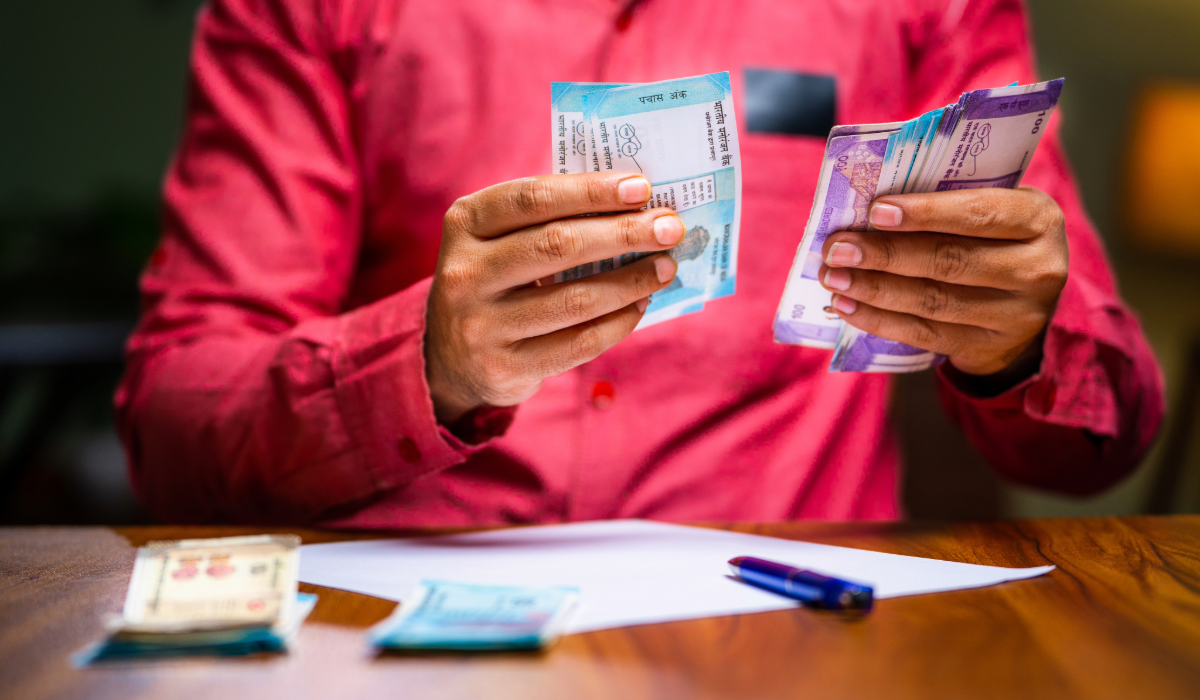
Saving Tips for Newly Married Couples in India: Practical Guide for Smart Financial Planning
Saving Tips for Newly Married Couples in IndiaDiscover practical money-saving tips for newly married couples in India, including budgeting, joint accounts, smart shopping, digital tools, and long-term financial planning.
Introduction: Saving Tips for Newly Married Couples in India Why Newly Married Couples Need Smart Money Habits
Starting married life in India comes with a mix of excitement and financial responsibilities. From managing rent, groceries, travel, and weddings to planning future goals like buying a home or having children, financial discipline early on is crucial.
Smart saving habits help newlyweds reduce stress, avoid debt, and build a strong financial foundation. With consistent planning, most couples can save ₹5,000–10,000 per month, depending on lifestyle and city.
This guide provides practical, beginner-friendly strategies for Indian couples to manage expenses, save effectively, and plan for the future.

Quick Start Checklist: Begin Saving Together Today
- ✅ Create a joint budget for household and personal expenses.
- ✅ Open a joint savings account for shared expenses and emergencies.
- ✅ Track spending using apps or spreadsheets.
- ✅ Automate savings for recurring expenses and future goals.
- ✅ Plan meals and grocery shopping together to reduce wastage.
- ✅ Use cashback apps and discounts for groceries, utilities, and travel.
- ✅ Start an emergency fund and contribute regularly.
Pro Tip: Even saving small amounts consistently can grow into significant funds for future milestones like a home, car, or vacation.
1. Create a Joint Budget
Budgeting as a couple ensures clarity, reduces conflicts, and helps prioritize goals:
- Track combined income and expenses: Include rent, groceries, utilities, EMI, travel, and personal spending.
- Set budget categories: Essentials, lifestyle, savings, investments, and leisure.
- Set savings goals: Short-term (vacation, gadgets) and long-term (home, retirement).
Mini Case Study: A couple in Bangalore reduced impulsive spending by tracking joint expenses and saved ₹7,000/month by cooking at home and limiting dining out.
Pro Tip: Use Google Sheets or apps like Walnut, Money Manager, or GoodBudget for transparent tracking.
2. Open a Joint Savings Account
A joint savings account simplifies shared expenses:
- Benefits: Easier bill payments, emergency fund management, transparency in spending.
- Suggested accounts: SBI, HDFC, ICICI, Axis Bank – many banks now offer digital-friendly joint accounts.
Example: A couple contributes ₹3,000/month to a joint account for groceries, rent, and utilities. Over a year, it accumulates ₹36,000, ensuring smooth household management.
Pro Tip: Keep personal accounts separate for discretionary spending, and use the joint account strictly for shared expenses.
3. Track Expenses and Avoid Impulse Spending
Tracking expenses digitally ensures financial discipline:
- Apps: Money View, Walnut, GoodBudget.
- Tip: Categorize expenses – groceries, dining out, utilities, subscriptions.
- Benefit: Identify areas to cut costs without affecting lifestyle.
Example: By tracking subscriptions and canceling unused services, a couple in Delhi saved ₹1,500/month.
Pro Tip: Review spending weekly and make adjustments as necessary.
4. Plan Meals and Shop Smart
Food is a major recurring expense. Smart meal planning reduces costs:
- Batch cook meals: Reduces daily prep time and prevents food wastage.
- Buy groceries in bulk: Staples like rice, lentils, flour, and cooking oil.
- Use seasonal produce: Cheaper, fresher, and healthier.
- Compare prices: Kirana stores, local markets, and online platforms.
Savings Example: Cooking at home can cost ₹100/day for two people versus ₹250/day eating out. Monthly savings: ₹4,500–5,000.
Pro Tip: Use cashback apps (PhonePe, Paytm, Google Pay) for groceries to earn additional rewards.
5. Automate Savings and Investments
Automation ensures consistent contributions without relying on memory:
- Recurring Deposits (RDs): Bank or digital platform RDs for short-term goals.
- SIP in mutual funds: Start small (₹500–1,000/month) for wealth creation.
- Emergency fund contributions: Automate transfers to a high-interest savings account.
Mini Case Study: A couple automates ₹5,000/month into an RD and SIP combination, accumulating ₹60,000+ annually.
Pro Tip: Treat savings as a non-negotiable monthly expense.
6. Build an Emergency Fund
An emergency fund cushions against unforeseen expenses:
- Target: 3–6 months of household expenses.
- Storage: High-interest digital savings account or liquid funds.
- Use case: Medical emergencies, home repairs, job loss.
Example: Household expenses: ₹25,000/month → Emergency fund target: ₹75,000–1,50,000.
Pro Tip: Contribute monthly, even ₹2,000–3,000/month, until target is reached.
7. Smart Entertainment & Lifestyle Choices
Manage leisure spending without compromising quality of life:
- Budget entertainment: Movies, dining out, travel.
- Use group discounts: Online platforms often offer couple/partner deals.
- Plan vacations in advance: Book during sales or off-season for better deals.
Savings Example: Limiting weekend dining out from ₹2,000 to ₹800 saves ₹4,800/month.
8. Practical Savings Examples for Newly Married Couples
|
Expense Category |
Regular Cost (INR) |
Smart Strategy |
Potential Savings (%) |
|
Dining Out / Takeaways |
8,000/month |
Cook at home, batch prep |
50–60% |
|
Groceries |
6,000/month |
Buy in bulk, use seasonal produce |
20–30% |
|
Subscriptions & Streaming |
1,200/month |
Share accounts, cancel unused services |
30–50% |
|
Utilities |
3,000/month |
Monitor usage, avoid wastage |
10–15% |
|
Travel & Entertainment |
5,000/month |
Budget-friendly outings and deals |
20–40% |
9. Common Mistakes Newlyweds Make
- Not tracking joint expenses → overspending.
- Relying on one partner for finances → reduces transparency.
- Ignoring emergency fund → unprepared for unforeseen events.
- Impulse purchases → derail budget and savings.
Pro Tip: Schedule monthly financial check-ins to stay aligned on goals.
10. FAQ: Saving Tips for Newly Married Couples India
Q1: How much should couples save monthly?
Aim for 20–30% of combined income, adjusting based on lifestyle and goals.
Q2: Should couples share all expenses?
Share essential expenses via joint accounts; maintain personal accounts for discretionary spending.
Q3: When should we start an emergency fund?
Immediately after marriage, even with small contributions of ₹2,000–3,000/month.
Q4: Are digital tools helpful for newlyweds?
Yes, apps for budgeting, tracking expenses, automating savings, and goal-based planning make financial management easier.
11. Summary / Key Takeaways
- Create a joint budget and track expenses.
- Open a joint savings account for shared costs.
- Plan meals and shop smart to reduce food expenses.
- Automate savings and start investing early.
- Build an emergency fund for financial security.
- Set limits for lifestyle and entertainment spending.
Consistent saving habits help newlyweds reduce financial stress, build wealth, and achieve life goals together.
Conclusion
Financial planning early in marriage is crucial for long-term stability. By budgeting, automating savings, using digital tools, and making smart spending choices, newly married couples in India can save effectively, prevent conflicts over money, and plan for a secure and prosperous future.
Disclaimer: This article is for educational purposes only and does not constitute financial or investment advice. Individual results may vary.
Author Bio
Ananya Sharma – Personal finance blogger with 15+ years of experience helping Indian couples, students, and salaried professionals manage finances, save effectively, and achieve long-term financial independence.
Internal Links:
External References: