Budget Planner for Teachers in India: Smart Ways to Manage Your Finances
Budget Planner for Teachers in India Discover a practical budget planner for teachers in India. Learn step-by-step budgeting methods, templates, apps, and smart tips to manage income, expenses, savings, and long-term goals efficiently.
Introduction: Why Teachers in India Need Smart Budgeting More Than Ever
Teaching is one of the most respected professions in India, but many teachers silently struggle with financial stress. Fixed salaries, EMIs, rising living costs, classroom expenses, children’s education, and retirement planning often make money management feel overwhelming.
This is where a budget planner for teachers in India becomes essential.
A well-planned budget helps you:
- Control monthly expenses without stress
- Save consistently—even on a moderate salary
- Avoid unnecessary debt
- Prepare for emergencies
- Build long-term financial security
This guide will walk you through a simple, practical, and teacher-friendly budgeting system that actually works in real life.

What You’ll Learn in This Guide
- How to create a realistic budget planner for teachers
- How to track income and expenses step by step
- How to use budget templates and apps effectively
- How to save and invest without sacrificing your lifestyle
Why Teachers in India Need a Budget Planner
Teachers face unique financial challenges that require structured planning:
- Fixed income with slow increments: Salary growth is often predictable but limited
- Irregular allowances: Bonuses, reimbursements, and increments need careful allocation
- Professional expenses: Books, teaching materials, certifications, and workshops
- Family responsibilities: Children’s education, household needs, medical expenses
- Retirement planning: Limited pension options for many private-school teachers
Expert Insight:
Studies show that Indian households following a structured budget save 25–30% more annually than those without a clear financial plan.
Step-by-Step Guide to Creating a Budget Planner for Teachers
Step 1: Calculate Your Monthly Income Accurately
Include all sources of income, but always use take-home income, not gross salary.
Income sources may include:
- Monthly salary (after deductions)
- Private tuition or online teaching
- Exam invigilation or coaching income
- Bonuses or annual increments
- Interest or dividend income
Example: Monthly Income Calculation
| Source | Amount (₹) |
|---|---|
| Salary (Take-home) | 45,000 |
| Tutoring Income | 5,000 |
| Total Income | 50,000 |
Pro Tip:
Ignore irregular annual income while budgeting monthly. Treat it as bonus savings.
Step 2: List and Categorise Your Monthly Expenses
Divide expenses into fixed and variable categories.
Fixed Expenses (Essential & Predictable)
- Rent or home loan EMI
- Electricity, water, internet
- School fees
- Loan EMIs (car, personal, education)
- Insurance premiums
Variable Expenses (Flexible)
- Groceries
- Transport (fuel, metro, bus)
- Dining out
- Clothing
- Personal care
- Small classroom expenses
Why this matters:
Categorising expenses makes it easier to cut unnecessary costs without affecting essentials.
Step 3: Allocate Savings & Investments (50–30–20 Rule)
A simple and effective budgeting rule for teachers in India:
- 50% – Essentials
- 30% – Wants / Lifestyle
- 20% – Savings & Investments
Example Budget Allocation (₹50,000 Income)
| Category | Amount (₹) |
|---|---|
| Essentials (50%) | 25,000 |
| Wants (30%) | 15,000 |
| Savings & Investments (20%) | 10,000 |
| Total | 50,000 |
Include:
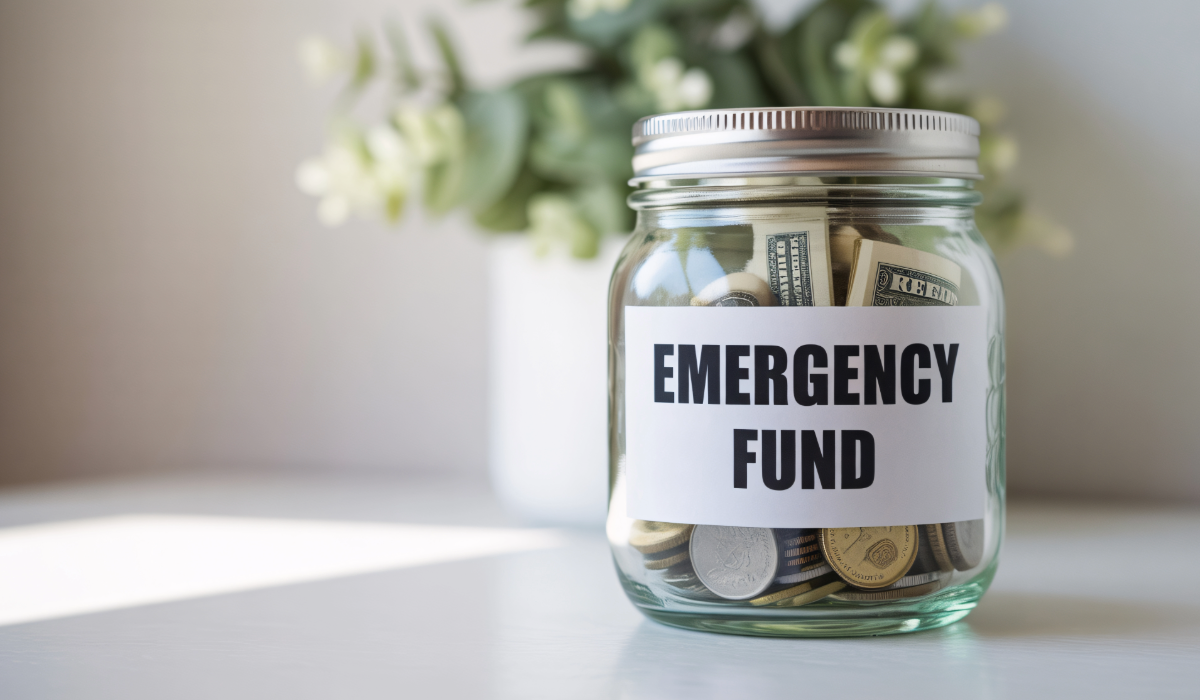
- Emergency fund
- PPF / EPF / NPS
- SIPs or recurring deposits
Step 4: Use a Budget Planner Template (Simple Is Best)
Choose a tracking method you’ll actually use:
Options:
- Notebook or diary
- Excel / Google Sheets
- Budgeting apps
Popular Budgeting Apps in India:
- Walnut
- Money Manager
- GoodBudget
- Monefy
Example Monthly Budget Tracker
| Date | Expense | Category | Amount (₹) | Notes |
|---|---|---|---|---|
| 01-Dec | Rent | Essentials | 15,000 | Bank transfer |
| 03-Dec | Grocery | Essentials | 5,500 | Monthly |
| 05-Dec | Workshop | Wants | 2,000 | Professional growth |
| 10-Dec | Transport | Essentials | 1,500 | Fuel |
| 15-Dec | Dining | Wants | 2,500 | Family outing |
| 20-Dec | SIP | Savings | 5,000 | Mutual fund |
Pro Tip:
Use the notes column to track payment mode, reminders, or future adjustments.
Step 5: Track, Review & Improve Regularly
- Daily: Record expenses (5 minutes)
- Weekly: Compare budget vs actual
- Monthly: Identify overspending and adjust
Visual Tip:
Use pie charts or bar graphs in Excel/Sheets to instantly see spending patterns.
Mini Case Study: Teacher in Mumbai
Profile:
35-year-old school teacher, monthly income ₹50,000
| Category | Budgeted (₹) | Actual (₹) |
|---|---|---|
| Essentials | 25,000 | 24,500 |
| Wants | 15,000 | 14,000 |
| Savings | 10,000 | 11,500 |
| Total | 50,000 | 50,000 |
Outcome:
By tracking expenses consistently, the teacher saved an extra ₹1,500, which was added to the emergency fund.
Common Budgeting Mistakes Teachers Make
- Ignoring small daily expenses (tea, snacks, subscriptions)
- Overspending on lifestyle upgrades
- Forgetting irregular costs (annual fees, festivals)
- Using complicated spreadsheets
- Not tracking tutoring or freelance income
Rule of Thumb:
A simple budget used consistently beats a perfect budget never followed.
Top Apps & Tools for Teachers in India
- Walnut: Automatic tracking via SMS
- Money Manager: Detailed reports and categories
- GoodBudget: Envelope-style budgeting
- Monefy: Simple manual logging
- Splitwise: Shared household expenses
Start simple. Upgrade tools only when needed.
Extra Money-Saving Tips for Teachers
- Use teacher discounts at bookstores and online platforms
- Buy teaching materials in bulk
- Plan travel during off-season
- Avoid credit card interest—pay full balance
- Set micro-savings goals (₹5,000–₹10,000/month)
- Share classroom resources with colleagues
FAQs
Budget Planner for Teachers in India
Q1: Can teachers save money on a moderate salary?
Yes. Even ₹5,000–₹10,000 monthly savings can grow significantly over time.
Q2: Should tuition income be included in budgeting?
Absolutely. Treat all income sources as part of your budget.
Q3: Which apps are best for Indian teachers?
Walnut, Money Manager, and Monefy are beginner-friendly.
Q4: How much time does budgeting take daily?
5–10 minutes daily; 15–30 minutes monthly review.
Q5: How should beginners start budgeting?
Start with a notebook or Google Sheet. Track essentials first.
Key Takeaways
- Track income, expenses, and savings together
- Categorise spending clearly
- Review regularly
- Keep the system simple
- Save for emergencies and retirement early
External source :
Conclusion
A budget planner for teachers in India is not about restriction—it’s about freedom. With proper tracking, smart categorisation, and regular reviews, teachers can reduce stress, save consistently, and build long-term financial stability.
Bonus: Download our teacher-friendly budget planner template and start managing your finances with confidence today. (Insert CTA / download link)
Budgeting Tips for Students in India: 5 Smart Ways to Manage Your Money
Disclaimer
This article is for educational purposes only and does not constitute financial or investment advice. Consult a certified financial planner for personalised guidance.