Mobile Banking Security Tips in India Complete Beginner’s Guide (2026)
Mobile Banking Security Tips in India Learn essential mobile banking security tips in India for 2026. Protect your money with safe app usage, strong passwords, 2FA, fraud prevention, and RBI-recommended practices.
Introduction: Why Mobile Banking Security Matters
Mobile banking has transformed how Indians manage money. From UPI payments and fund transfers to bill payments and account tracking, banking apps offer speed and convenience that were unimaginable a decade ago.
However, this convenience also comes with risks. Cyber fraud, phishing scams, malware, fake apps, and unsecured networks can expose sensitive banking information. With rising digital adoption, India has seen a steady increase in online banking fraud cases.
According to the Reserve Bank of India, digital payment fraud remains a key concern, making mobile banking security a critical responsibility for every user.
This beginner-friendly guide explains practical mobile banking security tips in India, helping you protect your money and personal data in 2026.
Quick Start Checklist: Mobile Banking Security
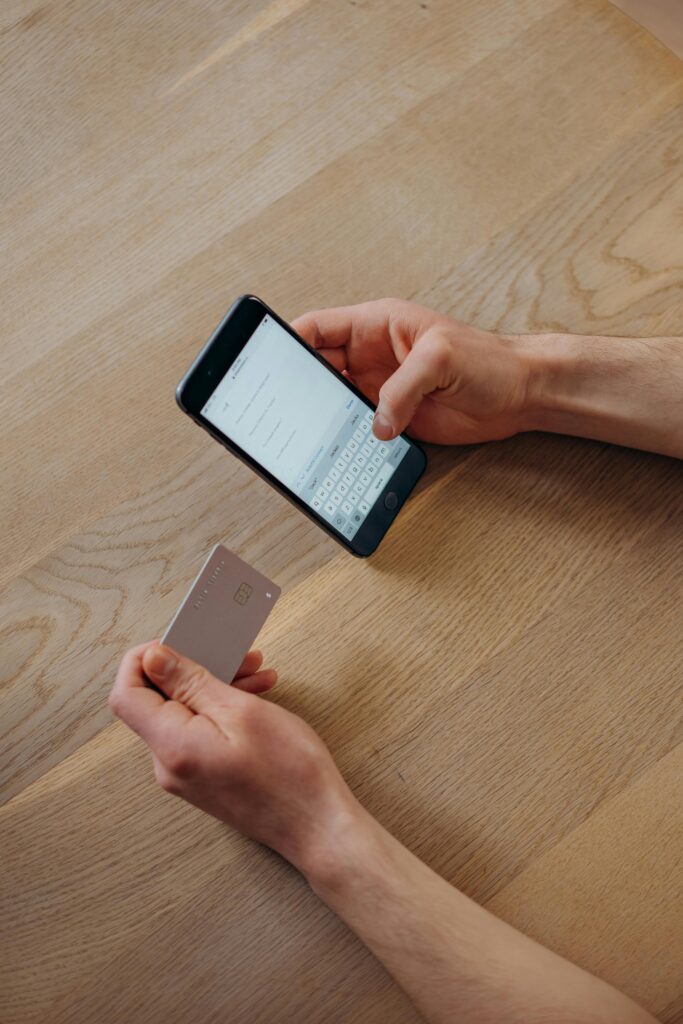
Before using any banking app, ensure you follow these basics:
-
✅ Use only official bank apps
-
✅ Set strong passwords or PINs
-
✅ Enable two-factor authentication (2FA)
-
✅ Avoid public Wi-Fi for banking
-
✅ Keep your phone and apps updated
-
✅ Monitor transactions regularly
📌 Pro Tip:
Treat your mobile banking app like a physical wallet full of cash—handle it carefully.
1. Always Use Official Bank Apps Only
Using the correct app is the first step in mobile banking security.
Safe App Practices
-
Download apps only from Google Play Store or Apple App Store
-
Never install banking apps from links sent via SMS, WhatsApp, or email
-
Verify the developer name, reviews, and permissions before installing
Fake apps are designed to look identical to real banking apps but steal login credentials.
📌 Pro Tip:
Bookmark your bank’s official website instead of typing URLs to avoid phishing sites.
2. Use Strong Passwords and Secure PINs
Weak passwords make accounts easy targets for hackers.
Best Practices
-
Use a mix of letters, numbers, and symbols
-
Avoid birthdays, names, or phone numbers
-
Change passwords every 3–6 months
-
Never share passwords or PINs with anyone
Mini Case Study:
Priya used a simple password for her banking app. After switching to a stronger password and enabling 2FA, multiple phishing attempts failed to access her account.
📌 Pro Tip:
Use a trusted password manager to generate and store strong passwords securely.
3. Enable Two-Factor Authentication (2FA)
Two-factor authentication adds a critical extra layer of security.
How 2FA Helps
-
Requires OTP or app verification in addition to your password
-
Blocks unauthorized access even if your password is compromised
-
Often combined with biometric login (fingerprint or face ID)
📌 Never share OTPs, even if the caller claims to be a bank official.
4. Avoid Public Wi-Fi; Use Secure Networks
Public Wi-Fi networks are vulnerable to data interception.
Safe Network Practices
-
Use mobile data or secured home Wi-Fi
-
If unavoidable, use a reliable VPN
-
Avoid auto-login features on public networks
| Network Type | Risk Level | Recommendation |
|---|---|---|
| Public Wi-Fi | High | Avoid banking |
| Home Wi-Fi | Medium | Use strong router password |
| Mobile Data | Low | Safest option |
📌 Pro Tip:
Never conduct financial transactions on open networks like cafés or airports.
5. Keep Your Phone and Apps Updated
Outdated software is one of the biggest security risks.
Why Updates Matter
-
Fix known security vulnerabilities
-
Patch malware entry points
-
Improve app-level encryption
Avoid rooting or jailbreaking your phone—it disables built-in security protections.
Mini Case Study:
Ravi delayed phone updates for months. After updating his OS, his bank app’s latest security patches blocked malware attempting to capture his login details.
6. Monitor Account Activity Regularly
Quick action can prevent major losses.
Best Monitoring Habits
-
Enable SMS and email transaction alerts
-
Review statements monthly
-
Report unknown transactions immediately
Example:
Rohit noticed a ₹5,000 transfer he didn’t make. He reported it instantly, and the bank reversed the transaction.
📌 Small amounts matter—fraudsters often test accounts with low-value transactions.
7. Recognize and Avoid Phishing & Fraud Scams
Phishing is one of the most common banking scams in India.
Common Scams & Protection
| Scam Type | Description | Protection |
|---|---|---|
| Phishing SMS/Email | Fake login links | Never click unknown links |
| Vishing | Fake bank calls | Never share OTPs |
| Malware | Credential-stealing apps | Install apps carefully |
| Fake Apps | Imitation bank apps | Use official apps only |
| Social Engineering | Emotional manipulation | Verify before sharing info |
📌 Important Rule:
Banks in India never ask for passwords, PINs, or OTPs via unsolicited calls or messages.
8. FAQs: Mobile Banking Security in India
Is mobile banking safe in India?
Yes, if you follow strong security practices and use official apps.
What should I do if my phone is lost or stolen?
Contact your bank immediately, block accounts/cards, and secure your device remotely.
Are mobile banking apps regulated in India?
Yes. Banks follow security norms issued by the National Payments Corporation of India and RBI.
Can I set transaction limits?
Yes. Most apps allow daily and per-transaction limits for extra safety.
Key Takeaways
-
Use only official banking apps
-
Enable strong passwords and 2FA
-
Avoid public Wi-Fi for banking
-
Keep devices and apps updated
-
Monitor transactions regularly
-
Stay alert to phishing and fraud
📌 Security is a habit, not a one-time setup.
Conclusion
Mobile banking in India is efficient and convenient, but its safety depends on user awareness. By following basic security practices—strong passwords, official apps, secure networks, and regular monitoring—you can significantly reduce fraud risk.
Staying informed and cautious ensures your money remains protected in the digital banking ecosystem of 2026.
About the Author
Hussain is a personal finance writer focused on helping Indian users manage money safely through secure banking practices, fraud awareness, and practical digital finance education.
Internal Links (Add These)
-
How to Use Online Banking Safely in India
-
Savings vs Current Account in India
External References
-
National Payments Corporation of India – Digital Payment Safety
Disclaimer
This article is for educational purposes only and does not constitute financial advice. Always follow official bank security recommendations and RBI guidelines.