
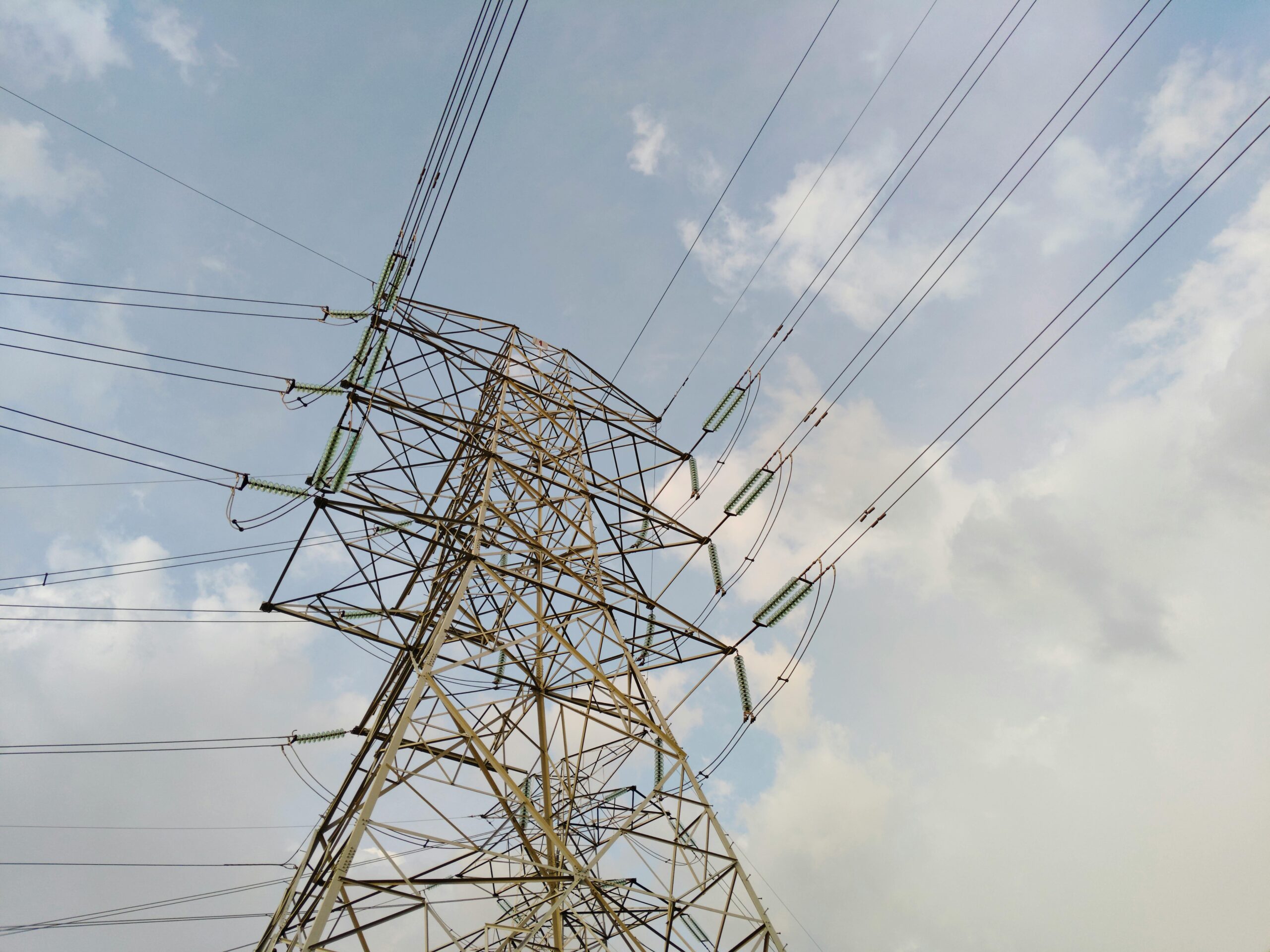
Tips to Reduce Electricity Bill in India: Practical Guide for Smart Energy Savings
Tips to Reduce Electricity Bill in India Learn practical strategies to reduce electricity bills in India. This guide covers energy-efficient appliances, smart usage habits, solar solutions, and digital tools to save money while staying eco-friendly.
Tips to Reduce Electricity Bill in India Introduction: Why Reducing Electricity Bills Matters
Electricity is one of the largest recurring household expenses in India, especially for families, students, and salaried individuals. With rising tariffs, inefficient appliances, and energy wastage, monthly bills can quickly spiral out of control.
Smart energy-saving habits not only reduce costs but also contribute to environmental sustainability. This guide provides actionable tips for Indians to cut electricity bills while maintaining comfort.
With consistent application, households can save ₹500–3,000 per month, depending on consumption, appliances, and lifestyle.
Quick Start Checklist: Reduce Your Electricity Bill Today
- ✅ Switch to energy-efficient appliances (LED bulbs, inverter ACs, energy star-rated refrigerators).
- ✅ Unplug devices when not in use to avoid standby power consumption.
- ✅ Use solar-powered solutions where feasible.
- ✅ Monitor usage with digital meters or apps.
- ✅ Adopt smart habits: limit AC/Heater usage, prefer natural light, and optimize cooking.
- ✅ Check for billing errors regularly.
- ✅ Insulate your home to reduce AC/heater load.
Pro Tip: Even small changes, like switching lights or adjusting appliance usage, can save ₹500–1,000 monthly.
1. Switch to Energy-Efficient Appliances
Replacing old, inefficient appliances is one of the most effective ways to cut electricity bills:
- LED bulbs: Consume 70–80% less energy than incandescent bulbs.
- Energy star-rated ACs and refrigerators: Reduce electricity consumption by 20–30%.
- Inverter technology: ACs, washing machines, and refrigerators with inverter technology adjust energy use based on demand.
Mini Case Study: A Delhi household reduced monthly electricity bills by ₹1,500 by replacing old ACs and using LED lighting.
Pro Tip: Check appliance energy ratings before purchase—5-star appliances save money long-term.
2. Unplug Devices & Avoid Standby Power
Many devices consume power even when turned off (standby mode):
- Unplug chargers, TVs, computers, and microwaves when not in use.
- Use smart power strips to switch off multiple devices at once.
- Monitor standby power usage—it can account for 5–10% of monthly electricity consumption.
Example: A family reduced standby energy usage from ₹300 to almost zero by unplugging devices.
3. Optimize AC & Heater Usage
Air conditioners and heaters are major electricity consumers:
- Set AC at 24–26°C in summer; heater at 20–22°C in winter.
- Use fans or natural ventilation whenever possible.
- Close doors and windows when AC/Heater is running.
- Service ACs and heaters regularly for efficiency.
Savings Example: Adjusting AC temperature and reducing usage by 2–3 hours/day can save ₹500–1,000/month.
Pro Tip: Use ceiling fans with ACs to circulate cool air, reducing AC load.
4. Use Solar Solutions & Renewable Energy
Solar energy is becoming more accessible in India:
- Solar water heaters reduce energy costs for heating water.
- Solar panels on rooftops can offset significant electricity usage.
- Solar-powered lights for outdoor areas or gardens.
Example: A household with 1kW rooftop solar can save ₹2,000–3,000/month, depending on sunlight and appliances.
Pro Tip: Government subsidies for solar installations reduce upfront costs significantly.
5. Optimize Lighting & Daily Habits
Small lifestyle changes can cut energy usage:
- Switch off lights when not in use.
- Use natural light during daytime.
- Replace multiple small bulbs with fewer, brighter LEDs.
- Avoid prolonged use of decorative lighting or string lights.
Mini Case Study: Using daylight effectively and switching to LEDs saved a Bangalore apartment ₹400–500/month.
6. Monitor Usage with Digital Tools
Tracking electricity consumption helps identify wastage:
- Smart meters: Track real-time electricity usage.
- Mobile apps: Many state electricity boards offer apps to monitor bills.
- Energy monitor devices: Measure consumption of specific appliances.
Example: Using a smart energy meter, a family in Mumbai discovered that their old water heater consumed ₹800/month unnecessarily.
Pro Tip: Monitor monthly trends and set targets to reduce usage gradually.
7. Kitchen & Cooking Efficiency
Cooking appliances can be energy-intensive:
- Pressure cookers reduce cooking time and energy consumption.
- Microwave ovens are efficient for reheating small portions.
- Induction cooktops use less electricity than electric coil stoves.
- Cover pots while cooking to retain heat.
Savings Example: Using a pressure cooker and induction stove efficiently can save ₹300–500/month.
8. Insulate Your Home Properly
Proper insulation reduces energy load for ACs and heaters:
- Seal gaps around doors and windows.
- Use thermal curtains or blinds.
- Add rugs or carpets to retain heat in winters.
Example: Insulating a 2BHK apartment in Pune reduced cooling and heating electricity costs by 10–15%.
Pro Tip: Simple measures like sealing leaks or using curtains can save hundreds of rupees monthly.
9. Practical Savings Examples for Indian Households
|
Appliance / Area |
Regular Cost (INR) |
Smart Strategy |
Potential Savings (%) |
|
Lighting (LED vs Incandescent) |
1,000/month |
Replace with LEDs |
70–80% |
|
Air Conditioner |
3,000/month |
Adjust temperature, use fans |
20–30% |
|
Water Heater |
1,200/month |
Solar water heater or timer usage |
50–60% |
|
Kitchen Appliances |
800/month |
Pressure cooker, induction stove |
30–40% |
|
Standby Devices |
400/month |
Unplug or use smart strips |
80–100% |
Note: Savings vary depending on home size, appliance age, and usage patterns.
10. Common Mistakes People Make
- Leaving appliances on standby → unnecessary bills.
- Using old, inefficient appliances → high energy consumption.
- Ignoring small leaks or poor insulation → increases AC/Heater load.
- Excessive or decorative lighting → unnoticed but high consumption.
Pro Tip: Audit your electricity usage quarterly and make adjustments proactively.
11. FAQ: Electricity Bill Savings India
Q1: How much can I save by switching to LED bulbs?
Up to 70–80% on lighting electricity costs.
Q2: Are solar panels worth it for households?
Yes, especially for families with high electricity usage and available rooftop space.
Q3: Does unplugging devices make a difference?
Yes, standby power can account for 5–10% of your bill.
Q4: How can I reduce AC and heater bills?
Use fans, optimize temperature, insulate the home, and maintain appliances regularly.
12. Summary / Key Takeaways
- Switch to energy-efficient appliances (LEDs, inverter ACs).
- Unplug devices and reduce standby power.
- Optimize AC/heater usage and cooking practices.
- Use solar solutions and renewable energy when possible.
- Monitor usage with digital tools and apps.
- Insulate your home and adopt energy-saving habits.
Consistent energy-saving habits can reduce electricity bills by ₹500–3,000/month while contributing to sustainability.
Conclusion
Reducing electricity bills in India is not just about saving money—it’s about adopting smart habits, using energy-efficient technology, and monitoring usage regularly. With small, consistent changes, families and individuals can lower expenses, reduce energy wastage, and contribute to a greener planet.
Disclaimer: This article is for educational purposes only. Individual savings may vary based on household size, appliance use, and lifestyle.
Author Bio
Ananya Sharma – Personal finance and lifestyle blogger with 15+ years of experience helping Indian households save money, optimize budgets, and adopt sustainable habits.
Internal Links:
External References:



1 thought on “Tips to Reduce Electricity Bill in India: 12 Practical Guide for Smart Energy Savings”