
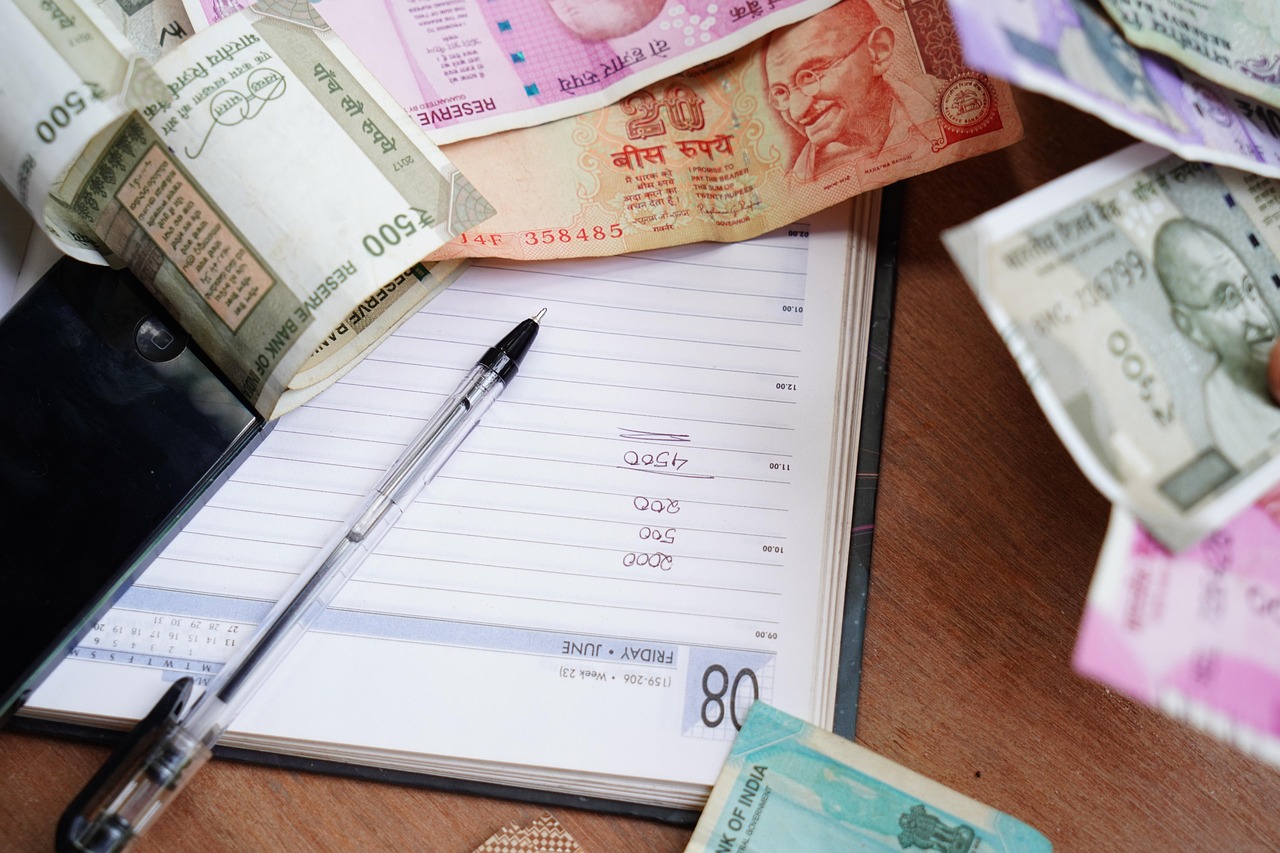
Budget Planning for Beginners in India: A Simple Step-by-Step Guide (2026)
Budget planning for beginners in India made easy. Learn how to create your first budget, track expenses, save consistently, and manage money confidently with examples, templates, and apps.
Quick Summary for Beginners
If you are new to managing money, budgeting helps you:
✔ Track where your money goes
✔ Avoid overspending
✔ Save every month (even on low income)
✔ Reduce financial stress
✔ Build lifelong money habits
You don’t need complex tools or finance knowledge—just consistency and a simple plan.
Introduction
Budget planning can feel intimidating when you’re just starting out. Whether you are a student, first-job professional, freelancer, or homemaker in India, it’s common to wonder:
“I earn money, but why do I have nothing left at month-end?”
Small expenses like food delivery, subscriptions, transport, and impulse shopping quietly drain your income. Without tracking, saving becomes accidental instead of intentional.
Budget planning is the solution.
It’s not about cutting all enjoyment—it’s about giving every rupee a job.
With a simple beginner budget, you can:
- Spend confidently
- Save regularly
- Avoid debt traps
- Prepare for emergencies and future goals
What Is Budget Planning? (In Simple Terms)
Budget planning means:
- Knowing how much money comes in
- Deciding how much to spend
- Saving a fixed portion every month
- Reviewing and improving regularly
Simple Formula
Income – Planned Expenses – Planned Savings = Controlled Money
A budget helps you live within your means while preparing for tomorrow.
Why Budget Planning Is Important in India
India has unique money challenges:
- Multiple payment modes (cash, UPI, cards)
- Irregular expenses (festivals, medical bills, travel)
- Rising cost of living
- Many people start earning without financial education
Benefits of Budgeting
✔ Clear view of expenses
✔ Better savings habits
✔ Less money-related stress
✔ Emergency preparedness
✔ Discipline with spending
Insight: Studies by Indian financial literacy initiatives consistently show that households with structured budgets save significantly more than those without one.
Step-by-Step Budget Planning for Beginners in India
Step 1: Calculate Your Monthly Income
Use only actual take-home income.
Include:
- Salary (after tax)
- Freelance or side income
- Allowances or stipends
Example:
|
Income Source |
Amount (₹) |
|
Salary |
40,000 |
|
Side Income |
5,000 |
|
Total |
45,000 |
Beginner Tip:
Do not include bonuses or uncertain income.
Step 2: List All Your Monthly Expenses
Split expenses into two categories.
Fixed Expenses
- Rent or EMI
- Mobile & internet bills
- Insurance premiums
- OTT subscriptions
Variable Expenses
- Groceries
- Transport
- Eating out
- Shopping
- Personal care
👉 Track expenses for at least 30 days before finalizing numbers.
Step 3: Use the 50–30–20 Budget Rule
This rule is perfect for beginners.
|
Category |
Percentage |
Purpose |
|
Needs |
50% |
Rent, bills, groceries |
|
Wants |
30% |
Dining, shopping, fun |
|
Savings |
20% |
Emergency fund, SIP |
Example (₹45,000 income):
|
Category |
Amount (₹) |
|
Needs |
22,500 |
|
Wants |
13,500 |
|
Savings |
9,000 |
✔ Adjust percentages if rent or city costs are high.
Step 4: Use a Simple Budget Template
Choose what feels easiest.
Options:
- Notebook
- Excel / Google Sheets
- Apps: Walnut, Money Manager, Monefy, GoodBudget
Sample Budget Table:
|
Date |
Expense |
Category |
Amount (₹) |
|
01 |
Rent |
Needs |
12,000 |
|
05 |
Groceries |
Needs |
3,500 |
|
10 |
Mobile Bill |
Needs |
399 |
|
15 |
Dining |
Wants |
800 |
|
20 |
SIP |
Savings |
3,000 |
Step 5: Track Expenses Daily (5 Minutes Rule)
- Record cash, UPI, and card spending
- Don’t aim for perfection
- Missed entries are okay—resume the next day
Consistency beats accuracy in the beginning.
Step 6: Review & Improve Monthly
At month-end:
- Compare planned vs actual
- Identify overspending
- Adjust next month’s limits
Budgeting improves with practice.
Beginner Budget Checklist
✔ Track income correctly
✔ Categorise expenses
✔ Save first, spend later
✔ Budget for fun
✔ Review monthly
✔ Keep it simple
Common Budgeting Mistakes to Avoid
|
Mistake |
What to Do Instead |
|
Ignoring small expenses |
Track every ₹ |
|
Saving leftovers |
Save first |
|
Overly strict budgets |
Allow enjoyment |
|
Quitting after one month |
Treat budgeting as habit |
Real-Life Example (First Job)
Income: ₹30,000
|
Category |
Amount (₹) |
|
Rent & Bills |
12,000 |
|
Groceries |
4,500 |
|
Transport |
2,000 |
|
Entertainment |
3,500 |
|
Savings |
8,000 |
Result: Stable savings and stress-free spending.
Best Budgeting Apps for Beginners in India
- Walnut: Auto-tracks UPI & banks
- Money Manager: Detailed reports
- Monefy: Simple manual entry
- GoodBudget: Envelope method
👉 Start with one app only.
Beginner Tips That Actually Work
- Automate savings
- Track daily, not monthly
- Budget for enjoyment
- Build emergency fund first
- Improve gradually
FAQs
Is budgeting necessary for low income?
Yes—budgeting matters more when income is limited.
How long before results show?
2–3 months of consistent tracking.
Should beginners invest immediately?
Start with emergency savings, then invest.
Is budgeting only for salaried people?
No—students, freelancers, homemakers benefit too.
Key Takeaways
- Budgeting gives control, not restriction
- Use simple rules and tools
- Track daily, review monthly
- Consistency matters more than perfection
Conclusion
Budget planning for beginners in India is the foundation of financial stability. You don’t need expert knowledge or complicated spreadsheets. A simple plan, followed consistently, helps you save more, stress less, and build confidence with money.
Start today. Give every rupee a purpose.
Bonus: Download our free beginner-friendly budget planner for India to get started. (Insert CTA link)
Student Budget Meal Plan India: Eat Healthy Under ₹200/Day
Disclaimer
This article is for educational purposes only and does not constitute financial or investment advice. Consult a certified financial planner for personalised guidance.
About the Author
The author has over a decade of experience creating practical, beginner-friendly personal finance content for Indian readers, focusing on budgeting, saving, and money management.




1 thought on “Budget Planning for Beginners in India: A Simple Step-by-Step Guide (2026)”