How to Build an Emergency Fund on a ₹20,000 Salary in India (2026 Guide)
Let’s be honest — saving money on a ₹20,000 salary in India feels nearly impossible when rent, groceries, commute, and family obligations eat through every rupee before the month is over. But here’s the truth most personal finance advice forgets to tell you: building an emergency fund isn’t about how much you earn — it’s about what you do with what you have.
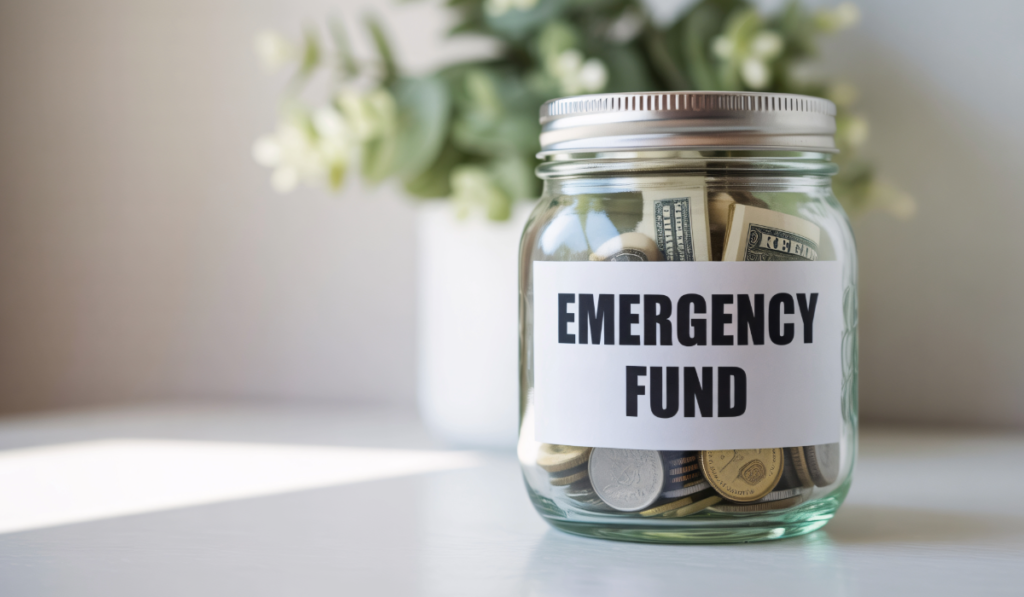
An emergency fund is not a luxury for the well-paid. It is a survival tool for everyone — especially those who can’t afford a financial shock. A sudden medical bill, a job loss, a bike breakdown, or a family emergency can push someone without savings into a cycle of debt that takes years to escape.
This guide is written specifically for salaried individuals in India earning around ₹20,000 per month. You’ll get a real-world budget breakdown, a step-by-step savings plan, practical tips to cut costs without sacrificing your quality of life, and the right places to park your emergency corpus.
1. What is an Emergency Fund and Why Does It Matter?
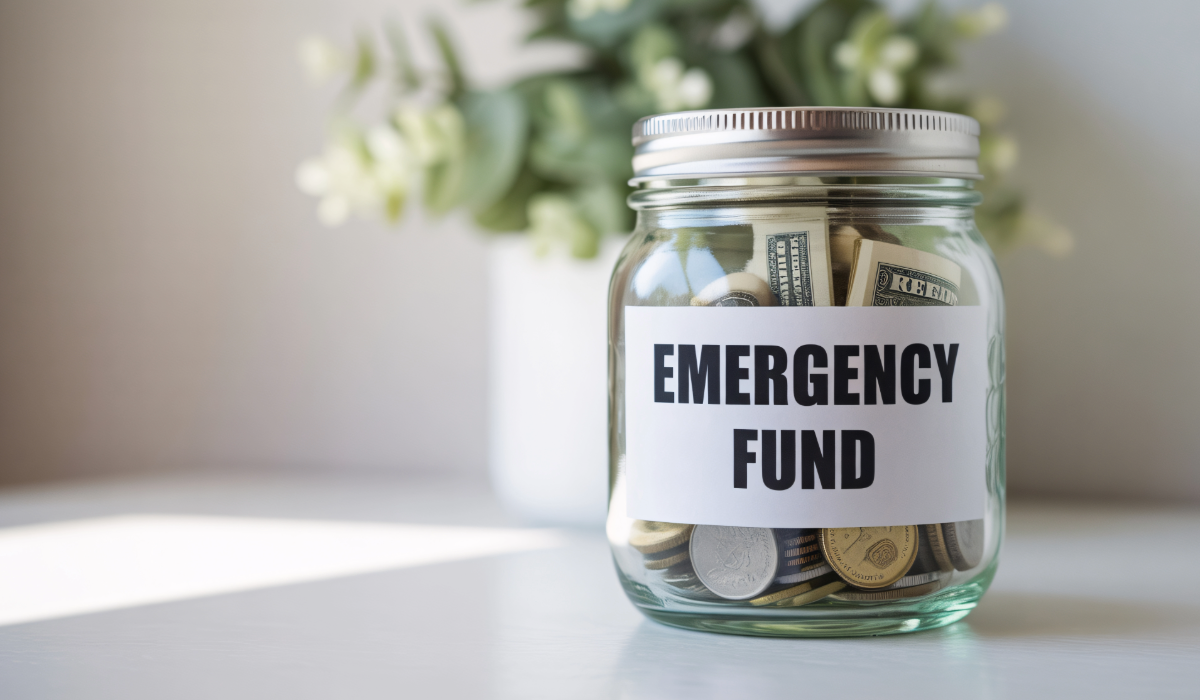
An emergency fund is a dedicated pool of money set aside exclusively for unplanned, urgent financial needs. Think of it as your personal financial airbag — it doesn’t prevent the crash, but it absorbs the impact.
What qualifies as a real emergency?
- Medical expenses not covered by insurance
- Sudden job loss or salary delay
- Major vehicle or appliance breakdown
- Family emergencies requiring immediate travel
- Home repair that can’t be deferred
Why is this especially critical on a low income?
When you earn ₹20,000 a month, you have almost no financial buffer. A single unexpected expense of ₹10,000–₹15,000 can mean missed rent, skipped meals, or worse — borrowing from a moneylender at 24–36% annual interest. An emergency fund breaks this cycle before it starts.
“An emergency fund is not savings — it’s financial self-defence.”
2. How Much Should You Save? (India-Specific Formula)
The global standard recommends 3–6 months of living expenses. For someone earning ₹20,000 in India, that typically means:
| Fund Size | What It Covers | Target Amount |
|---|---|---|
| Starter fund | One month’s essentials | ₹10,000–₹15,000 |
| Minimum fund (3 months) | Job loss buffer | ₹45,000–₹60,000 |
| Comfortable fund (6 months) | Extended crisis buffer | ₹90,000–₹1,20,000 |
If you have dependents, no health insurance, or an unstable job (contractual/gig work), aim for the 6-month figure. If you have employer health coverage and a relatively secure job, the 3-month number is your realistic first target.
3. Budget Breakdown: Making ₹20,000 Work
Let’s get realistic. Here’s what a typical monthly budget looks like for someone earning ₹20,000 in a Tier 2 or Tier 3 city in India:
| Category | Typical Spend | Optimised Spend |
|---|---|---|
| Rent / accommodation | ₹6,000 | ₹5,000–₹6,000 |
| Groceries & household | ₹3,500 | ₹2,800 |
| Transport / commute | ₹2,000 | ₹1,500 |
| Mobile & internet | ₹500 | ₹350 |
| Utilities (electricity, water) | ₹700 | ₹600 |
| Food outside / dining | ₹1,500 | ₹800 |
| Entertainment / OTT | ₹500 | ₹200 |
| Clothing & personal care | ₹800 | ₹500 |
| Miscellaneous / unplanned | ₹1,000 | ₹750 |
| Total Expenses | ₹16,500 | ₹12,500 |
| Amount available to save | ₹3,500 | ₹7,500 |
Notice that the “optimised” column isn’t about suffering — it’s about intentional choices. Switching from eating out 4 times a week to once a week, or sharing a room with a flatmate, can free up ₹2,000–₹4,000 every single month. That’s not small. That’s your emergency fund being built in real time.
4. Step-by-Step Plan to Build Your Emergency Fund
Here is a practical, actionable plan you can start this week — no financial background required.
Never mix your emergency fund with your regular salary account. Open a dedicated zero-balance savings account (SBI, Kotak 811, IDFC First, or Fi Money are good options with no maintenance fees).
2.Set a micro-goal of ₹10,000 first
Don’t think about ₹60,000 on day one. That feels overwhelming. Focus on the first ₹10,000. At ₹2,000/month, you’ll hit it in 5 months.
3.Automate your savings on salary day
Set up an auto-transfer of even ₹1,500–₹2,000 to your emergency fund account the day your salary arrives. Pay yourself first — before spending on anything else.
4.Track every expense for 30 days
Use a free app like Walnut, Money Manager, or even a notebook. Awareness alone typically reduces spending by 10–15% as you spot invisible leaks.
5.Cut one discretionary spend per month
Identify one non-essential expense to pause for 3 months — a streaming subscription you barely use, weekly biryani orders, or impulse shopping on Meesho or Amazon.
6.Add windfalls directly to the fund
Bonus, overtime pay, cashback, gifts, or income tax refunds? Transfer 80% of any unexpected money directly to your emergency fund before the temptation kicks in.
7.Review and increase your savings rate every 6 months
Each time you get a salary hike or reduce a bill, bump your savings auto-transfer by ₹500. Small increments compound into large results.
5. Best Places to Keep Your Emergency Fund in India
Your emergency fund has one job: be available instantly when you need it. That means prioritising liquidity over returns. Here are the best options in India:
High-yield savings accounts
Banks like IDFC First, AU Small Finance Bank, and Kotak Mahindra offer 4–7% interest on savings accounts — much better than SBI’s 2.7%. Your money stays liquid and earns decent returns.
Liquid mutual funds
These are very low-risk mutual funds that invest in short-term government and corporate debt instruments. They typically return 5.5–7% annually, and redemptions are credited within 24 hours. Mirae Asset, Axis, and HDFC offer good liquid funds with no exit load.
Fixed deposits with premature withdrawal facility
You can open a 1-year FD offering 6.5–7.5% interest (small finance banks like Ujjivan and Jana SFB offer higher rates) and break it if needed, paying a small penalty. Keep a portion here once your fund crosses ₹30,000.
Summary: recommended allocation
| Fund Stage | Where to Keep It | Why |
|---|---|---|
| ₹0 – ₹20,000 | High-yield savings account | Instant access, no risk |
| ₹20,000 – ₹50,000 | Liquid mutual fund | Better returns, 24-hr access |
| ₹50,000+ | FD + liquid fund combo | Balanced between access & returns |
6. Smart Ways to Save Faster on a Low Income
When you’re on a tight salary, finding extra savings requires creativity — not deprivation. Here are techniques that actually work:
Moving to a shared room or PG can cut your rent from ₹6,000 to ₹3,500, freeing ₹2,500 monthly.
Switching from ride-hailing apps to buses/metro can save ₹800–₹1,500 per month in most cities.
Cooking in batches reduces the urge to order food and cuts your food bill by 30–40%.
BSNL and Vi offer data + call plans under ₹200/month — adequate for basic use.
OLX and Facebook Marketplace let you sell old electronics, clothes, and books for instant cash.
Freelance data entry, tutoring, delivery work, or weekend retail can add ₹2,000–₹5,000/month.
7. Common Mistakes to Avoid
Even well-intentioned savers derail their emergency fund. Watch out for these pitfalls:
Mistake 1 — Waiting for the “right time” to start
There is no perfect time. Start with ₹500 this month if that’s all you have. Progress beats perfection every time.
Mistake 2 — Keeping it in a joint account
If your emergency fund is accessible to a spouse, parent, or sibling who might spend from it, it will slowly disappear. Keep it in your own individual account.
Mistake 3 — Using credit cards as an “emergency fund”
A credit card might bail you out once, but the 36–42% annual interest that follows can create a debt trap far worse than the original emergency.
Mistake 4 — Not replenishing after use
If you draw from your emergency fund, rebuild it immediately. Many people leave it depleted, then have no protection when the next crisis hits — which often comes sooner than expected.
Mistake 5 — Investing it in high-risk instruments
Chasing higher returns by putting your emergency fund in equity or real estate defeats its purpose. You need it available immediately — not locked up or down 30% in a market crash.
8. Expert Tips from Financial Advisors
- Automate ruthlessly. Humans are bad at saving manually. Set up an auto-transfer on salary day and let the system do the work for you.
- Name your fund. Call it “Medical Safety Net” or “Job Loss Buffer” in your banking app. Named accounts are far less likely to be raided for impulse purchases.
- Tell one person. Sharing your goal with a trusted friend creates accountability and raises your follow-through rate significantly.
- Celebrate milestones, not with spending. When you hit ₹10,000, ₹25,000, and ₹50,000 — acknowledge it. Write it down. Let it motivate the next leg of the journey.
- Don’t pause during tough months — reduce instead. If money is especially tight in a particular month, halve your savings contribution rather than stopping entirely. Consistency matters more than the amount.
- Build health insurance in parallel. A ₹3–₹5 lakh health insurance policy for an individual costs roughly ₹4,000–₹8,000 per year — under ₹700/month. This dramatically reduces the size of emergency fund you need.
Conclusion: Small Steps Build Real Safety Nets
Building an emergency fund on a ₹20,000 salary is not easy — but it is absolutely possible, and it may be the single most important financial decision you make this year.
You don’t need a high income to get started. You need a separate account, an auto-transfer, and the discipline to treat your first ₹2,000 of savings as non-negotiable every month. Over time, those small actions compound into a financial cushion that keeps you out of debt, protects your family, and gives you the freedom to make better decisions without desperation driving them.
Start today. Open that account. Set that auto-transfer. Send ₹500 to your emergency fund right now if that’s all you can afford. The best emergency fund in the world is the one you actually have when you need it — not the perfect one you were waiting to start.
Frequently Asked Questions (FAQs)
is 2000 rupees per month is enough to build an emergency funds?
Yes — especially at the beginning. Saving ₹2,000 per month for 12 months gives you ₹24,000, which is enough to handle most common emergencies in India such as a medical consultation, vehicle repair, or a month of living costs. The goal is not to build it all at once, but to make saving a consistent habit. As your income grows or your expenses drop, you increase the amount.