How to Save Money on ₹25,000 Salary in Mumbai (Practical Guide)
How to Save Money on a ₹25,000 Salary in Mumbai Struggling to save money in Mumbai on a ₹25,000 salary? Learn simple, realistic strategies to cut expenses, save consistently, and build financial stability.
Mumbai is expensive. But that’s not the full problem.
Rent is high.
Food costs add up.
Transport isn’t cheap.
But here’s what actually breaks people:
Small daily decisions.
- ₹200 here
- ₹150 there
- ₹300 “just today”
At the end of the month?
Nothing left.
If you earn ₹25,000 in Mumbai, saving money is not easy.
But it is possible—if you follow a system.
What people believe vs what actually works
What You Hear
- “You can’t save in Mumbai on ₹25k”
- “Income is too low to save”
- “Savings start after salary increases”
What Actually Works
- Saving is about control, not income
- Small changes create real savings
- Structure matters more than motivation
You don’t need a higher salary first.
You need a clear plan for your current one.
Step 1: Know Where Your Money Is Going (Most Skip This)
Before saving…
You need awareness.
Typical ₹25,000 breakdown in Mumbai:
- Rent: ₹8,000 – ₹12,000 (shared)
- Food: ₹5,000 – ₹7,000
- Travel: ₹1,500 – ₹2,500
- Misc: ₹3,000 – ₹5,000
Left?
Almost nothing.
Problem:
You think you’re spending “normally”
But you’re actually spending unconsciously
Simple fix:
Track for 7 days:
- Every chai
- Every auto
- Every snack
No judgment.
Just awareness.
👉 Want a full system? Read: Personal Finance for Low to Mid Income Earners in India (Complete Guide)
Step 2: Fix Your Biggest Expense First (Rent)
In Mumbai, rent decides everything.
If rent > 40% of income → problem
On ₹25,000:
- Ideal rent: ₹7,000 – ₹10,000
Smart moves:
- Share room (2–3 people)
- Move slightly away from prime areas
- Avoid “comfort upgrades” early
You don’t need perfect living.
You need financial breathing space.
Step 3: Control Food Without Feeling Miserable
Food is where money leaks silently.
Common pattern:
- Zomato/Swiggy
- Office snacks
- Weekend eating out
Feels small.
Adds up big.
Smarter approach:
- Cook 1–2 meals daily
- Fix weekly food budget
- Limit ordering to 1–2 times/week
Example:
- Daily outside food: ₹200 → ₹6,000/month
- Controlled: ₹3,000–₹4,000
Savings: ₹2,000+
You don’t need extreme dieting.
Just slight control.
Step 4: Optimize Travel (Not Eliminate It)
Transport is unavoidable.
But you can optimize it.
Best options:
- Local trains (cheapest)
- Monthly passes
- Avoid daily autos/cabs
Reality:
- Auto daily: ₹150 → ₹4,500/month
- Train pass: ₹500–₹1,000
Convenience costs money.
Choose it intentionally, not daily.
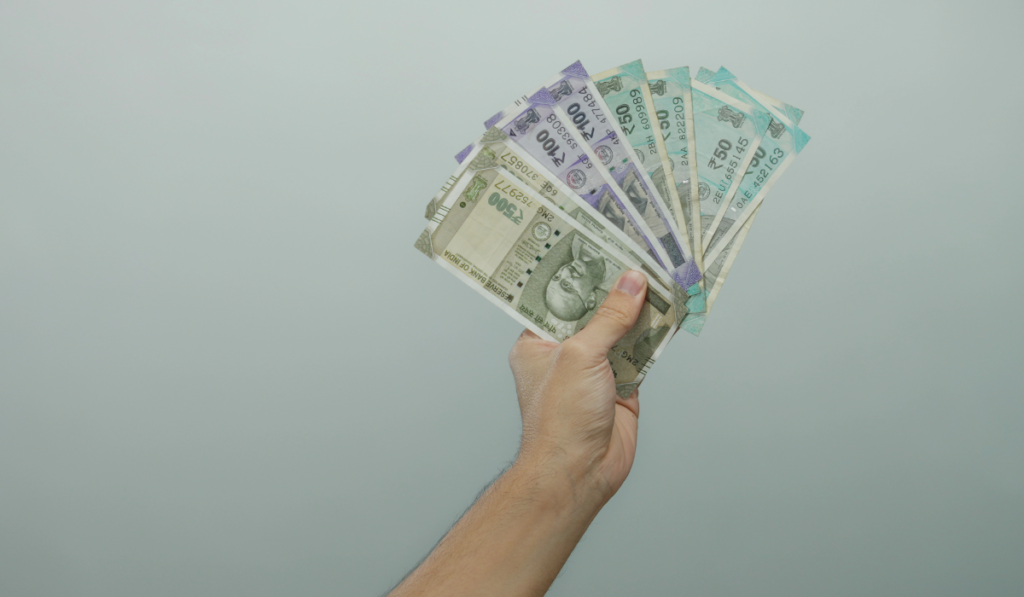
Step 5: Create a “Forced Saving System”
Don’t save what’s left.
There won’t be anything left.
Instead:
Save first.
Simple system:
- Salary: ₹25,000
- Save: ₹2,000–₹3,000 immediately
- Spend the rest
Where to keep it?
- Separate bank account
- Not your daily spending account
Next step after saving: [How to build an emergency fund on a ₹20,000 salary in India]
Step 6: Cut 2–3 Expenses (Not Everything)
You don’t need to cut everything.
Just the unnecessary ones.
Look for:
- Subscriptions you don’t use
- Daily small spends
- Impulse purchases
Example:
- OTT: ₹500
- Snacks: ₹1,500
- Random spends: ₹1,000
Cut partially → Save ₹2,000+
Financial progress doesn’t need sacrifice.
It needs awareness + selection.
Step 7: Start Small Investing (After Basic Saving)
Once you save consistently:
Start small investing.
Even ₹2,000/month matters.
Learn here: How to invest ₹5,000 per month for beginners in India
You don’t wait to become rich to invest.
You invest to become stable first.
Real Example (This is what works)
Rahul earns ₹25,000 in Mumbai.
Before:
- No tracking
- Eats outside daily
- No savings
After changes:
- Shared rent
- Controlled food
- Saved ₹3,000/month
In 6 months:
- ₹18,000 saved
Same salary.
Different system.
Mistakes to avoid
- Trying extreme budgeting (won’t last)
- Ignoring small expenses
- Depending on future salary
- Taking EMIs early
If you have debt, fix it here: How to pay off ₹2 lakh credit card debt with ₹35,000 salary
Your Simple Saving Flow
- Track expenses
- Reduce rent pressure
- Control food spending
- Optimize travel
- Save first (₹2–3k)
- Invest slowly
Internal Linking
This article connects to:
- Pillar Guide → Personal Finance for Low to Mid Income Earners in India (Complete Guide)
- Emergency Fund → How to build an emergency fund on a ₹20,000 salary in India
- Investing → How to invest ₹5,000 per month for beginners in India
- Debt → How to pay off ₹2 lakh credit card debt with ₹35,000 salary
Final thought
Saving money in Mumbai on ₹25,000 is not easy.
But it’s not impossible either.
You don’t need:
- Perfect conditions
- Perfect discipline
You need:
Small control + simple system + consistency
Because in the end—
It’s not about how much you earn.
It’s about:
How much you keep.