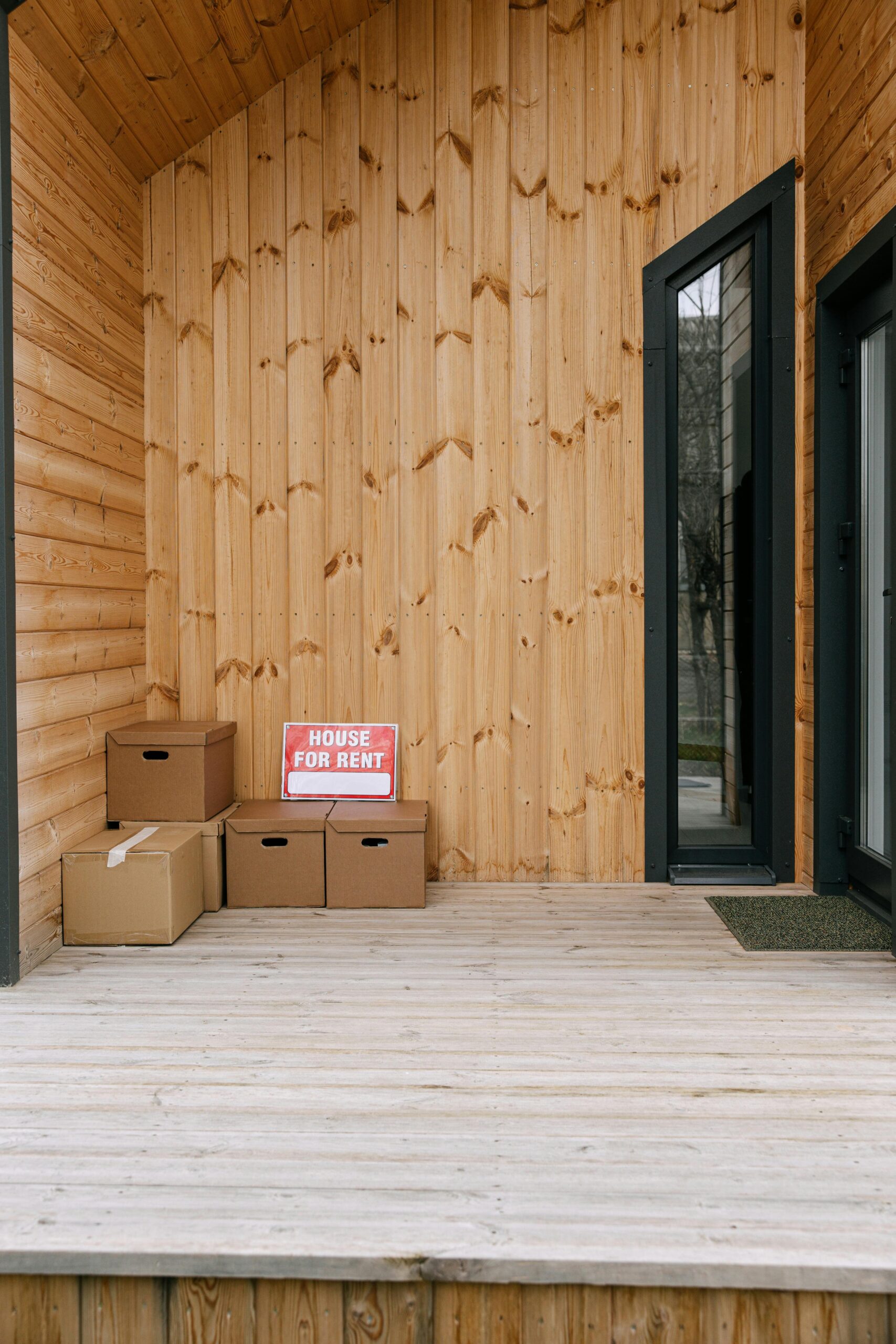
Simple Ways to Save on Rent in India: Practical Guide for Tenants
Simple Ways to Save on Rent in India Discover practical tips for Indians to save on rent, including shared accommodations, negotiation tactics, affordable localities, and budgeting strategies without compromising comfort.
Simple Ways to Save on Rent in India Introduction: Why Saving on Rent Matters
For salaried individuals, students, and newly married couples in India, rent is often the largest monthly expense, sometimes accounting for 30–50% of income. Reducing rent not only frees up funds for savings and investments but also eases financial stress and improves overall budgeting.
This guide provides practical, beginner-friendly strategies for saving on rent while maintaining a comfortable lifestyle. With consistent application, individuals and families can save ₹2,000–10,000 per month, depending on city, locality, and type of accommodation.
Quick Start Checklist: Reduce Rent Expenses Immediately
- ✅ Negotiate rent with landlords before signing the lease.
- ✅ Consider shared accommodations or PGs for students and young professionals.
- ✅ Choose affordable neighbourhoods with good connectivity.
- ✅ Pay rent annually or in advance to avail discounts.
- ✅ Use rental apps & portals to compare prices.
- ✅ Minimise extra charges like maintenance or utilities.
- ✅ Sublet unused space if allowed to offset costs.
Pro Tip: Even modest savings of 10–15% on rent can free up thousands of rupees for monthly expenses or investments.
1. Negotiate Rent with Landlords
Negotiation is key to reducing rent:
- Do market research: Check rates for similar apartments in the same locality.
- Offer annual payment upfront: Many landlords provide 1–2 months’ discount.
- Highlight reliability: Being a stable tenant can incentivise landlords to lower rent.
- Negotiate during off-peak seasons: Less demand gives tenants leverage.
Mini Case Study: A Bangalore professional negotiated ₹3,000/month off by offering 6 months’ advance payment.
Pro Tip: Be polite and professional—building rapport helps landlords agree to discounts.
2. Consider Shared Accommodations
Sharing space is one of the easiest ways to reduce rent, especially for students and young professionals:
- PGs (Paying Guest accommodations) often include utilities and meals.
- Flatmates or roommates split rent and other bills.
- Co-living spaces in metro cities provide furnished homes with amenities at lower costs than private flats.
Example: A Delhi student saved ₹6,000/month by sharing a 2BHK apartment with a friend, including electricity and Wi-Fi.
Pro Tip: Always draft a clear rental agreement to avoid disputes with roommates.
3. Choose Affordable Neighbourhoods
Location greatly affects rent:
- Outer suburbs or upcoming localities are cheaper than prime city areas.
- Check transport connectivity: Ensure access to office or college by metro, bus, or bike.
- Compare multiple neighbourhoods: Even 2–3 km difference can reduce rent significantly.
Savings Example: Moving from central Mumbai to Navi Mumbai suburbs can reduce monthly rent by ₹8,000–12,000.
Pro Tip: Use online rental portals and maps to compare prices and commuting time.
4. Pay Rent in Advance or Annually
Many landlords provide discounts for upfront payment:
- 6-month or 1-year advance often gives 1–2 months free.
- Avoid EMI-based rent schemes if they include extra interest.
- Combine with negotiation for maximum savings.
Example: Annual upfront payment in Pune saved ₹5,000 for a 1BHK apartment.
Pro Tip: Ensure advance payment is documented legally to avoid disputes.
5. Use Rental Apps & Portals to Compare Prices
Digital tools help tenants find better deals:
- 99acres, MagicBricks, NoBroker, Housing.com provide real-time rental listings.
- Compare rent, maintenance, and amenities across multiple options.
- Set alerts for new listings in budget-friendly areas.
Mini Case Study: A Bangalore professional found a 1BHK ₹2,500/month cheaper than similar apartments using NoBroker alerts.
Pro Tip: Filter by “furnished/unfurnished” depending on your requirement and cost-efficiency.
6. Minimise Extra Charges
Monthly rent often includes hidden costs:
- Maintenance charges can be negotiated or compared before renting.
- Water and electricity: Prefer agreements where tenants pay actual usage, not fixed slabs.
- Parking or security deposits: Check if these are negotiable upfront.
Example: Switching to a flat with shared water and electricity meters saved ₹1,000/month in Jaipur.
Pro Tip: Always read the rental agreement carefully and clarify all additional charges.
7. Sublet Unused Space
If your rental agreement allows:
- Rent out spare rooms in your flat.
- Short-term Airbnb/PG options can offset monthly rent.
- Work from home professionals can share extra space with students or young workers.
Savings Example: A couple in Delhi rented out an extra bedroom and offset 50% of monthly rent legally.
Pro Tip: Always get landlord consent and follow legal guidelines to avoid disputes.
8. Practical Savings Examples in India
|
City |
Typical 1BHK Rent (INR) |
Smart Saving Strategy |
Potential Savings (%) |
|
Mumbai |
25,000–30,000 |
Outer suburbs / shared accommodation |
20–40% |
|
Delhi |
18,000–22,000 |
Negotiation / PG / flatmate |
15–30% |
|
Bangalore |
15,000–20,000 |
Annual payment / co-living |
10–25% |
|
Pune |
12,000–18,000 |
Affordable neighborhoods / sublet |
15–30% |
|
Hyderabad |
10,000–15,000 |
Compare listings & negotiate upfront |
15–25% |
Note: Savings are approximate and vary based on locality, amenities, and lease terms.
9. Common Mistakes Tenants Make
- Accepting first rental quote without negotiation → higher cost.
- Ignoring hidden charges → surprises in monthly bills.
- Not comparing multiple neighbourhoods → overspending for convenience.
- Avoiding shared accommodation → missing major savings.
Pro Tip: Review rental options quarterly if possible and adjust before renewing leases.
10. FAQ: Rent Savings for Indians
Q1: How much can I save by negotiating rent?
Typically 5–15%, depending on landlord flexibility and market demand.
Q2: Are PGs cheaper than private flats?
Yes, especially for students or young professionals; savings include rent + utilities.
Q3: Should I move to suburbs to save rent?
If commute is manageable, outer localities or upcoming areas can reduce rent by 20–40%.
Q4: Is subletting legal?
Yes, if permitted by the landlord and mentioned in the rental agreement.
11. Summary / Key Takeaways
- Negotiate rent and seek upfront or annual payment discounts.
- Consider shared accommodations, PGs, or co-living spaces.
- Choose affordable, well-connected neighbourhoods.
- Use rental apps to compare listings and minimise hidden costs.
- Sublet unused space legally to offset rent.
Even small, consistent strategies can save ₹2,000–10,000/month, improving financial flexibility for savings, investments, or lifestyle expenses.
Conclusion
Saving on rent in India requires a combination of research, negotiation, and smart choices. Whether you’re a student, salaried professional, or newly married couple, applying these strategies allows you to reduce expenses without compromising comfort. Over time, lower rent contributes to better financial planning and stress-free living.
Disclaimer: This article is for educational purposes only. Actual savings vary based on city, locality, lease agreements, and lifestyle.
Author Bio
Ananya Sharma – Personal finance blogger with 15+ years of experience guiding Indian tenants, students, and young couples to save on rent, optimize budgets, and achieve financial independence.
Internal Links:
External References: