
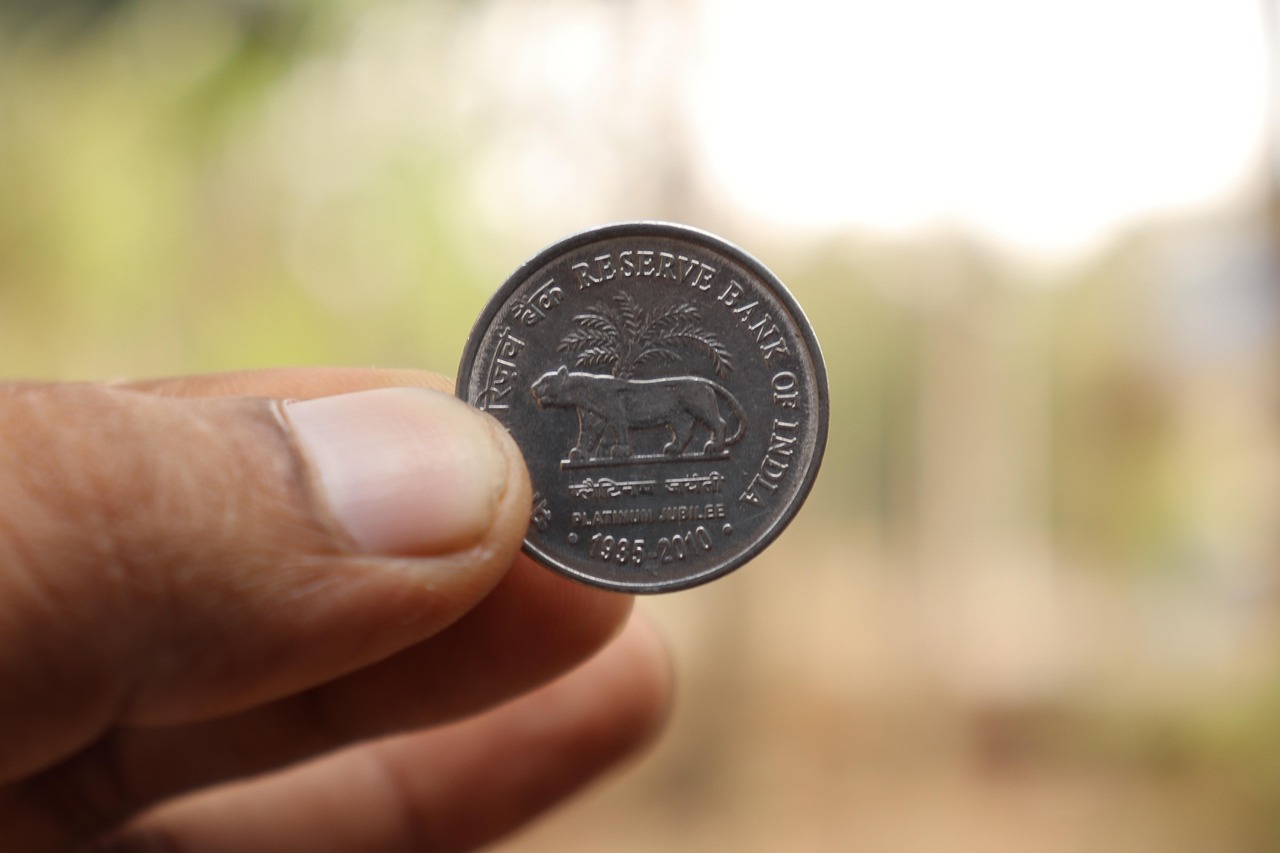
How to Close a Bank Account in India Complete Beginner’s Guide (2026 Update)
Learn how to close a bank account in India safely and correctly. This step-by-step beginner’s guide covers required documents, online and offline procedures, charges, common mistakes, and tips to avoid future complications.
Introduction: Why You Might Want to Close a Bank Account
There are many valid reasons to close a bank account in India, such as:
-
Switching to a bank with better services or lower fees
-
Closing unused or dormant accounts
-
Relocation or change in banking needs
-
Simplifying finances by consolidating accounts
While the process is straightforward, closing a bank account incorrectly can lead to penalties, bounced transactions, or future disputes. This guide walks you through the exact steps to ensure a smooth, hassle-free closure. Closing unused accounts is part of managing money responsibly, and it fits into the broader personal finance basics every beginner should know in India.
Quick Start Checklist (Read This First)
Before visiting the bank or starting online closure, ensure the following:
-
✅ Account balance is zero or transferred
-
✅ All auto-debits (SIPs, EMIs, subscriptions) are stopped
-
✅ Required documents are ready
-
✅ Debit card and cheque book are available
-
✅ You obtain written closure confirmation
📌 Pro Tip: Never rush account closure. One missed auto-debit can cause penalties even after closure.
Step 1: Check Account Balance and Pending Transactions
Before requesting closure:
-
Transfer remaining balance to another account
-
Clear pending cheques or online transfers
-
Cancel:
-
SIPs
-
EMIs
-
Standing instructions
-
UPI AutoPay mandates
-
⚠️ Important:
If an account is closed with pending transactions, banks may still levy charges or recover dues later.
Step 2: Gather Required Documents
Most Indian banks require the following:
-
Identity proof: Aadhaar / PAN / Passport
-
Account proof: Passbook or latest statement
-
Debit card & cheque book: To be surrendered
-
Account closure form: Available at branch or bank website
📌 Pro Tip:
Carry originals + photocopies to avoid repeat branch visits.
Step 3: How to Close a Bank Account in India
A. Closing a Savings Account
-
Visit your bank branch (or use online option if available)
-
Fill and sign the Account Closure Form
-
Submit:
-
ID proof
-
Passbook
-
Debit card & cheque book
-
-
Transfer remaining balance or request payout
-
Collect closure receipt / acknowledgement
📌 Some banks allow closure via net banking or mobile apps, but always follow official bank instructions only.
B. Closing a Current Account
For current (business) accounts:
-
Clear all dues, overdrafts, and pending transactions
-
Submit all unused cheques
-
Ensure no business liabilities remain
⚠️ Important:
Improper closure of a current account can create legal or financial liability later.
Step 4: Charges and Penalties to Consider
| Bank | Free Closure After | Early Closure Fee | Notes |
|---|---|---|---|
| SBI | 6 months | ₹150 | Fee applies if closed early |
| HDFC | 6 months | ₹250 | Zero-balance accounts may differ |
| ICICI | 6 months | ₹200 | Pending dues must be cleared |
| Axis | 6 months | ₹200 | Overdraft must be settled |
-
Most banks do not charge after 6 months
-
Negative balances, EMIs, or overdrafts are recovered before closure
📌 Always check the bank’s latest fee schedule on its official website.
Step 5: Closing Online or Zero-Balance Accounts
Many banks now allow online account closure.
Online Closure Checklist:
-
Check eligibility (KYC-complete accounts only)
-
Ensure zero balance
-
Cancel all auto-debits
-
Follow net banking or mobile app steps
-
Download or email the closure confirmation
📌 Pro Tip:
Keep a digital copy of closure proof for future reference.
Step 6: Common Mistakes to Avoid
Avoid these frequent errors:
-
Not checking pending auto-debits
-
Forgetting to surrender cheque book or debit card
-
Closing account without written proof
-
Ignoring linked services (UPI, EMIs, subscriptions)
-
Closing too early and paying avoidable fees
A little caution prevents long-term trouble.
Step 7: Post-Closure Checklist
After submitting the closure request:
-
Verify closure status after 7–10 working days
-
Monitor SMS/email for any unexpected debit
-
Confirm all linked services are migrated
-
Store closure proof for at least 6 months
📌 Important:
If any charge appears after closure, contact the bank immediately.
FAQs: Closing a Bank Account in India
Can I close a bank account online?
Yes, some banks allow online closure. Others require a branch visit.
Is there a penalty for closing an account?
Usually no after 6 months. Early closure fees may apply.
Do I need to surrender debit cards and cheque books?
Yes, most banks require this.
How long does account closure take?
Typically 7–10 business days.
Can a minor’s account be closed?
Yes, with parent or guardian consent.
Mini Case Study: A Common Closure Mistake
Ravi closed an unused savings account online without cancelling SIP auto-debits. Two SIPs bounced, and the bank charged ₹450 in penalties.
Lesson:
Always cancel auto-debits and keep closure proof.
Key Takeaways
-
Clear balance and pending transactions first
-
Cancel all auto-payments
-
Submit complete documents
-
Obtain written closure confirmation
-
Check early closure charges
📌 A structured closure protects your financial record.
Conclusion
Closing a bank account in India is easy when done correctly. Always clear pending transactions, surrender cards and cheque books, and retain closure proof. Whether you’re switching banks or simplifying finances, following this guide ensures a smooth, penalty-free experience.
About the Author
Hussain is a personal finance writer focused on simplifying banking, money management, and everyday financial decisions for Indian beginners and salaried professionals. His work is based on real-life observations, official banking guidelines, and practical experience, aiming to help readers avoid common financial mistakes and manage their money confidently without confusion or stress.
Internal Links (Suggested)
External References
Disclaimer
This article is for educational purposes only and does not constitute financial advice. Always follow official bank instructions and consult bank representatives if unsure.






1 thought on “How to Close a Bank Account in India 7 Complete Beginner’s Guide (2026 Update)”