Life Insurance Corporation: Complete Guide for Indians
Learn how Life Insurance Corporation works, its plans, benefits, and smart strategies to use LIC for saving money, retirement planning, and financial security.
Introduction: Why Life Insurance Corporation Still Matters
When most Indians hear the words life insurance corporation, they think of safety. Trust. Stability. Something their parents bought.
But here’s the uncomfortable truth:
Many people own a policy.
Very few understand how to use it strategically.
If you care about financial planning, building an emergency fund, managing debt responsibly, and planning for retirement — understanding how Life Insurance Corporation works is not optional.
It’s foundational.
Let’s break it down clearly. No jargon. No sales pitch. Just practical financial education.
What Is Life Insurance Corporation?
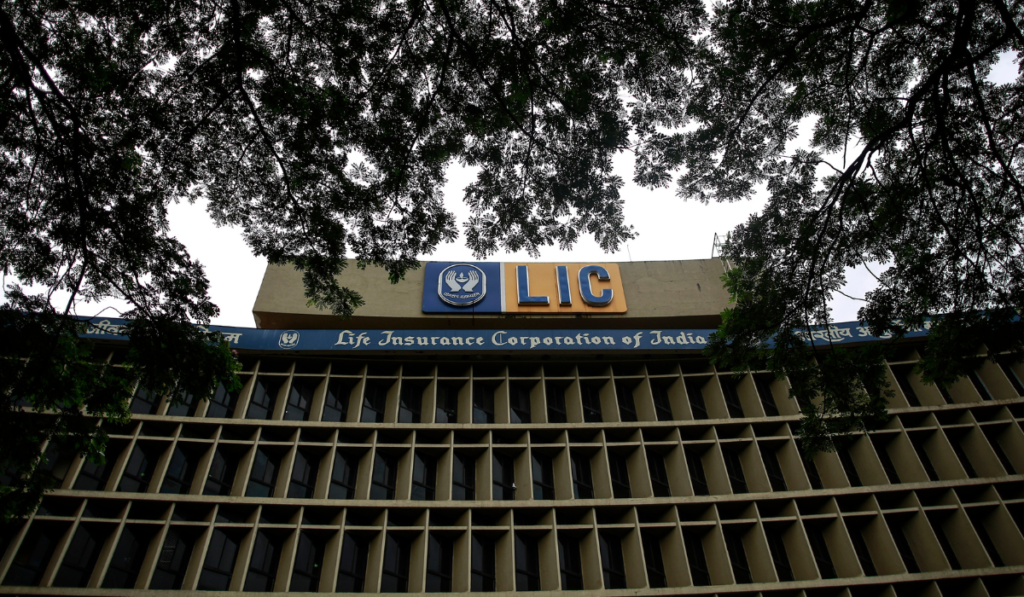
Life Insurance Corporation of India (LIC) is India’s largest and oldest life insurance provider. It was established in 1956 after nationalization of private insurers.
Today, LIC:
- Is government-owned
- Manages millions of policies
- Holds one of the largest asset bases in India
- Dominates the traditional insurance market
You can verify its regulatory framework through the official regulator:
Insurance Regulatory and Development Authority of India (IRDAI)
In simple words:
LIC collects premiums from policyholders and promises financial protection to their families in case of death — while offering certain plans that also include savings and investment components.
But not all LIC policies are the same.
There are three major categories:
- Term Insurance – Pure protection
- Endowment Plans – Insurance + savings
- ULIPs – Insurance + market-linked investing
Understanding the difference changes everything.
Why Life Insurance Corporation Matters in Financial Planning
Let’s zoom out.
Personal finance isn’t just about investing in stocks or mutual funds. It’s about building a solid structure:
- Budgeting
- Saving money
- Emergency fund
- Debt management
- Retirement planning
- Risk protection
Life insurance sits at the base of this structure.
Here’s why:
1. Income Protection for Your Family
If your family depends on your income, you need protection.
A pure term plan from Life Insurance Corporation ensures your family receives a lump sum if something happens to you.
That payout can:
- Clear home loans
- Pay education expenses
- Cover daily living costs
- Prevent financial collapse
Insurance is not about returns. It’s about removing risk.
2. Forced Saving Discipline
Many traditional LIC policies bundle saving money with insurance.
For people who struggle with budgeting discipline, this can work like a forced savings tool.
Is it the highest-return option?
No.
Is it stable and predictable?
Yes.
For conservative investors, that matters.
3. Tax Benefits
Under Indian tax laws:
- Premiums may qualify under Section 80C
- Maturity benefits may qualify under Section 10(10D) (conditions apply)
For updated rules, always check the official tax portal:
Income Tax Department of India
Tax benefits should never be the only reason to buy insurance — but they’re a bonus.
Step-by-Step Guide to Choosing the Right LIC Policy
Most people walk into a branch and buy whatever the agent recommends.
Let’s do better.
Step 1: Define Your Goal
Ask yourself:
- Is this for protection only?
- Or for saving and guaranteed returns?
- Or for long-term investing?
- Is this part of retirement planning?
If protection is the goal → Choose a term plan.
If savings with guarantees → Endowment plan.
If market exposure → ULIP.
Clarity first. Product second.
Step 2: Calculate the Right Coverage
A common rule:
Life cover = 10–15 times annual income
But don’t guess.
Add:
- Outstanding loans
- Children’s future expenses
- Household annual costs × 10 years
Subtract:
- Existing savings
- Investments
That number is your real coverage need.
Step 3: Check Affordability Within Your Budget
Insurance should never break your monthly budgeting system.
A healthy rule:
Insurance premiums should stay within 5–10% of your monthly income.
If premiums are too high, you risk policy lapse.
And a lapsed policy = wasted money.
Step 4: Avoid Mixing Insurance and Investing (If You Want Higher Returns)
Here’s a blunt truth:
If your goal is wealth building, LIC endowment plans usually underperform equity mutual funds over long periods.
Smart structure:
- Buy pure term insurance from Life Insurance Corporation
- Invest separately in equity mutual funds
- Build an emergency fund separately
This keeps:
Protection clean
Investing efficient
Financial planning optimized
Common Mistakes People Make
Mistake 1: Buying Because “Agent Uncle” Said So
Never buy without:
- Reading policy document
- Understanding lock-in
- Knowing surrender charges
Blind trust is expensive.
Mistake 2: Overpaying for Low Returns
Some people think LIC policies are “investments.”
They are primarily protection tools.
If you want aggressive wealth growth, consider diversified investing.
Mistake 3: Ignoring Term Insurance
Many Indians buy endowment plans but skip pure term insurance.
That’s backwards.
Protection first. Saving later.
Mistake 4: Not Updating Nominee
Life changes:
- Marriage
- Children
- Divorce
Update your nominee accordingly.
It’s simple. But crucial.
Pro Tips From a Financial Educator
Let’s sharpen your strategy.
1. Use LIC for Stability, Not Growth
Think of Life Insurance Corporation like a safety net.
Not a rocket ship.
2. Combine With Smart Investing
A balanced financial system includes:
- Term insurance
- Emergency fund (6 months expenses)
- SIP investing
- Debt management plan
- Retirement planning strategy
Insurance alone is not wealth creation.
3. Review Policy Every 3–5 Years
Income increases?
Take additional coverage.
Loans cleared?
Adjust strategy.
Financial planning is not one-time.
4. Don’t Surrender Too Early
Many LIC policies penalize early exit.
Before surrendering:
- Compare surrender value
- Compare paid-up value
- Evaluate opportunity cost
Make math-based decisions.
Life Insurance Corporation vs Private Insurers
People often ask:
Is LIC safer than private insurers?
Technically:
- All insurers are regulated by IRDAI
- LIC has government ownership
- Private insurers often offer lower term premiums
Decision should depend on:
- Claim settlement ratio
- Premium affordability
- Policy features
- Your comfort level
Not emotional bias.
Frequently Asked Questions (FAQ)
1. What is Life Insurance Corporation of India?
Life Insurance Corporation of India is a government-owned insurance provider offering term, endowment, ULIP, and pension plans.
2. Is Life Insurance Corporation safe?
LIC is regulated by IRDAI and backed by government ownership, making it one of India’s most trusted insurers.
3. Is LIC good for investment?
LIC policies focus on protection and stability. For higher long-term returns, diversified investing options may perform better.
4. How much life cover should I take from LIC?
A common benchmark is 10–15 times your annual income, adjusted for debts and financial responsibilities.
5. Can I surrender my LIC policy early?
Yes, but surrender charges may apply. Evaluate paid-up value and long-term impact before deciding.
Related Reading
Conclusion: Should You Choose Life Insurance Corporation?
Here’s the balanced answer.
If you want:
- Stability
- Government-backed confidence
- Traditional savings structure
- Reliable term insurance
Life Insurance Corporation is a solid choice.
If you want:
- Maximum market-linked returns
- Flexible investment products
- Aggressive wealth building
Then combine insurance with smarter investing tools.
Remember:
Insurance protects income.
Investing grows income.
Budgeting manages income.
Master all three — and your financial future becomes predictable.
If this guide helped you understand Life Insurance Corporation better, explore our full personal finance series and build your financial system step by step.
Security first. Growth second. Wealth follows.