

Personal Finance for Low Income Earners in India (Complete Practical Guide)
Personal Finance for Low to Mid Income Earners A simple, practical guide to managing money, saving, investing, and getting out of debt for low to mid income earners in India.
Most people don’t have a money problem
They have a system problem.
Income comes in.
Expenses go out.
Nothing stays.
And slowly…
- Savings don’t grow
- Stress increases
- Financial decisions feel harder
If you earn between ₹20,000 – ₹50,000/month in India, this is common.
But here’s the part most people miss:
You don’t need more income first.
You need a better structure.
This guide gives you that.
What people believe vs what actually works
What You Hear
- “Increase income first, then save”
- “Invest early, everything else will fix itself”
- “Budgeting is enough”
What Actually Works
- Saving comes before investing
- Control comes before growth
- Structure beats motivation
Personal finance is not about doing more.
It’s about doing the right things in order.

The Simple Money System (Follow This Order)
There are 5 stages.
Most people mix them up.
That’s why they struggle.
1 Control Your Money (Before You Try to Grow It)
If money leaks…
Nothing else works.
Start here:
- Track your expenses
- Cut unnecessary spending
- Create basic structure
If you live in a city like Mumbai or Delhi, this becomes even more important.
👉 Read this practical guide: How to save money on a ₹25,000 salary in Mumbai
👉 Or this: How to manage household expenses on ₹30,000 per month in Delhi
Why this matters
You don’t need perfect budgeting.
You need:
Awareness → Control → Stability
Without this, everything else fails.
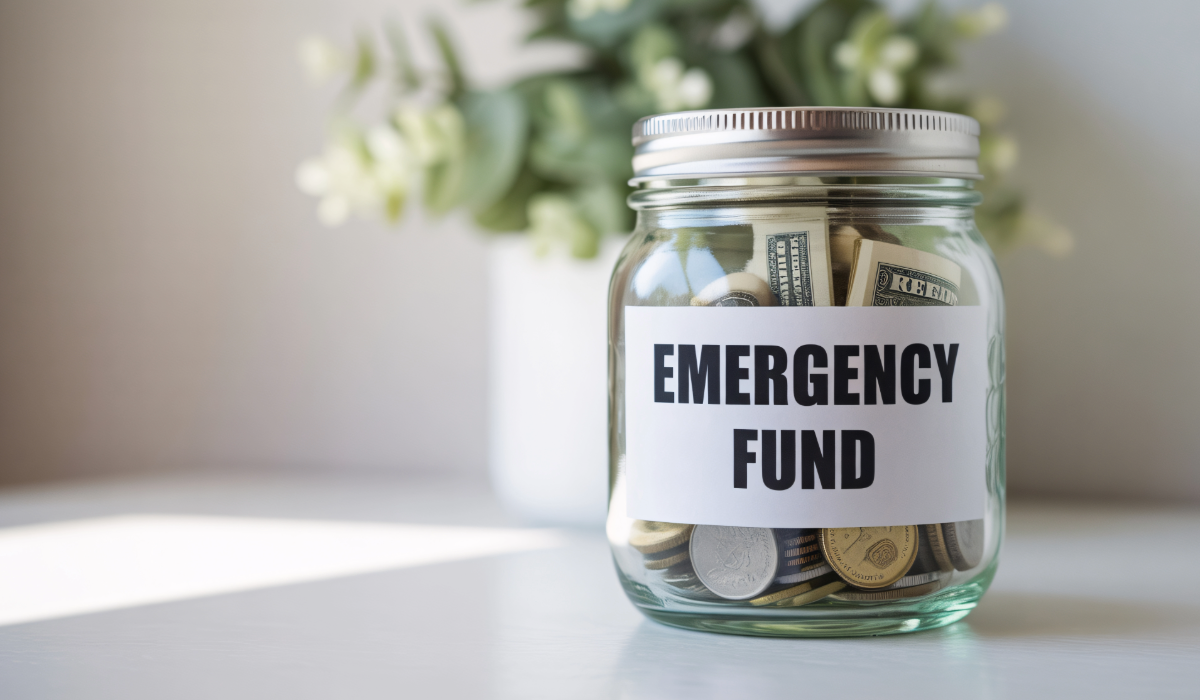
2 Build an Emergency Fund (Your Safety Net)
Before investing.
Before SIPs.
Before anything else.
You need a buffer.
Why?
Because life is unpredictable.
- Medical expense
- Job loss
- Family emergency
Without a buffer:
One problem = financial reset
Target:
- Minimum: 3 months expenses
- Ideal: 6 months
👉 Step-by-step guide: How to build an emergency fund on a ₹20,000 salary in India
Simple truth:
Emergency fund is not exciting.
But it’s the difference between:
- Panic
- And control
3 Get Out of Bad Debt (Before It Grows)
Debt is not equal.
Some help you.
Some trap you.
Dangerous debt:
- Credit card dues
- Personal loans
- Buy-now-pay-later
These grow fast.
And silently.
Example
₹2 lakh credit card debt
At ~36% interest
This is not “manageable”
This is urgent.
👉 Practical plan: How to pay off ₹2 lakh credit card debt with ₹35,000 salary
Rule:
Don’t invest while high-interest debt exists.
Because:
- Investment returns: ~10–12%
- Debt interest: ~30–40%
You’re losing money.
4 Start Small Investing (Don’t Wait for Big Money)
Once:
- Expenses are controlled
- Emergency fund exists
- Debt is under control
Then you invest.
Start simple:
- ₹2,000
- ₹3,000
- ₹5,000 per month
Consistency matters more than amount.
👉 Beginner-friendly guide: How to invest ₹5,000 per month for beginners in India
Why this works
You’re not chasing returns.
You’re building:
Habit + discipline + long-term growth
5 Scale with SIPs (Long-Term Wealth Building)
Once income increases:
You don’t change lifestyle first.
You increase investments.
SIP (Systematic Investment Plan)
- Invest monthly
- Grow over time
- Reduce market timing stress
👉 Best options explained: Best SIP plans for someone earning ₹40,000 per month
Reality check
Wealth is not built in months.
It’s built in:
5–10 years of consistency

Special Situations (Most People Ignore This)
Your profession changes your financial needs.
But most advice ignores this.
Government Employees
- Stable income
- Pension benefits
- Lower risk tolerance
👉 Read: How to save money as a government employee in India
Teachers
- Moderate salary
- Stable growth
- Need disciplined investing
👉 Read: Financial planning for private school teachers in India
Nurses
- Shift-based work
- Irregular stress
- Need simple systems
👉 Read: How nurses in India can save and invest wisely
Same country. Same economy.
Different professions = different strategies.
Starting Your Financial Life (First Job Stage)
Your first job is dangerous.
Not because of low income.
Because of:
- Lifestyle inflation
- Poor decisions
- No structure
👉 Start correctly: How to manage finances after first job in Bangalore
One mistake here can cost years later.
The Real Flow (This is Everything)
Follow this sequence:
- Control expenses
- Build emergency fund
- Eliminate bad debt
- Start small investing
- Scale with SIPs
Most people:
- Start investing too early
- Ignore debt
- Skip emergency fund
Then wonder why nothing works.
Common mistakes to avoid
- Taking multiple EMIs
- Ignoring small expenses
- Chasing “quick returns”
- Copying others blindly
Your financial life is not a trend.
It’s a system.
Final thought
You don’t need:
- Perfect income
- Perfect plan
- Perfect timing
You need:
A simple system you follow consistently.
Because in the end—
People don’t fail because they earn less.
They fail because:
They don’t control, structure, and grow what they already earn.
Start small.
Stay consistent.
And let time do its work.





1 thought on “Personal Finance for Low to Mid Income Earners in India (Complete Guide That Actually Works)”