How to Choose a Savings Account in India Complete Beginner’s Guide (2026)
How to Choose a Savings Account in India Learn how to choose the best savings account in India in 2026. Compare account types, interest rates, fees, digital features, and expert tips to make the right banking decision.
Introduction: Why Choosing the Right Savings Account Matters
A savings account is usually the first financial product an Indian opens. It helps you store money safely, earn interest, and manage everyday transactions such as UPI payments, ATM withdrawals, and online transfers.
However, beginners often feel confused because banks offer multiple savings account variants, each with different interest rates, minimum balance rules, fees, and digital features. Choosing the wrong account can lead to unnecessary penalties, poor service, or inconvenience.
Choosing the right savings account in India ensures your money stays secure, easily accessible, and cost-efficient—while supporting healthy financial habits. This beginner-friendly guide explains how to choose a savings account in India, updated for 2026 banking practices and RBI regulations.

Quick Checklist: How to Choose a Savings Account
Before opening an account, ask yourself:
-
✅ Is this for daily spending, salary, or long-term savings?
-
✅ What interest rate does the bank offer?
-
✅ Are there minimum balance requirements or penalties?
-
✅ Does the bank provide strong mobile & internet banking?
-
✅ Is the bank reliable with good customer support?
📌 Expert Tip:
Beginners should prioritise low fees, zero-balance options, and good digital banking, not just higher interest rates.
Types of Savings Accounts in India
Banks in India offer different savings accounts based on customer needs.
| Account Type | Best Suited For | Key Features |
|---|---|---|
| Regular Savings Account | General users | Minimum balance, debit card, ATM & net banking |
| Zero-Balance / Basic Account | Beginners, low balances | No minimum balance, limited free services |
| Digital Savings Account | Tech-savvy users | Fully online opening, paperless KYC |
| Salary Account | Salaried individuals | Zero balance, automatic salary credit |
| Senior Citizen Account | Age 60+ | Slightly higher interest, priority service |
| Minor / Kids Account | Children | Parental control, low balance requirement |
📌 Pro Tip:
If you’re opening your first bank account, a zero-balance or digital savings account is usually the best choice.
Key Factors to Compare Before Choosing a Savings Account
1. Interest Rate
-
Most Indian banks offer 3%–7% interest, depending on balance slabs
-
Interest is calculated daily and credited quarterly
-
Senior citizens may receive slightly higher rates
📌 Higher interest is good—but not if it comes with high fees or poor service.
2. Minimum Balance Requirement
-
Some accounts require ₹1,000–₹10,000 average monthly balance
-
Falling below this can attract penalties
-
Zero-balance accounts have no such penalties
📌 Choose an account that matches your cash flow and spending habits.
3. Fees and Charges
Common savings account charges include:
-
Minimum balance penalties
-
ATM withdrawals beyond free limits
-
Cheque book and cheque bounce charges
-
SMS alert fees
📌 Always read the bank’s Schedule of Charges before opening an account.
4. Digital Banking & Accessibility
A good savings account should offer:
-
User-friendly mobile app
-
Reliable UPI and net banking
-
Wide ATM and branch network
-
Responsive customer support
📌 In 2026, strong digital banking matters more than branch proximity.
5. Additional Benefits
Some banks provide extra features such as:
-
Free debit cards
-
Cashback or reward points
-
Accidental insurance
-
Discounts on banking services
📌 These are bonuses—not deciding factors.
Step-by-Step Guide to Choosing the Right Savings Account
-
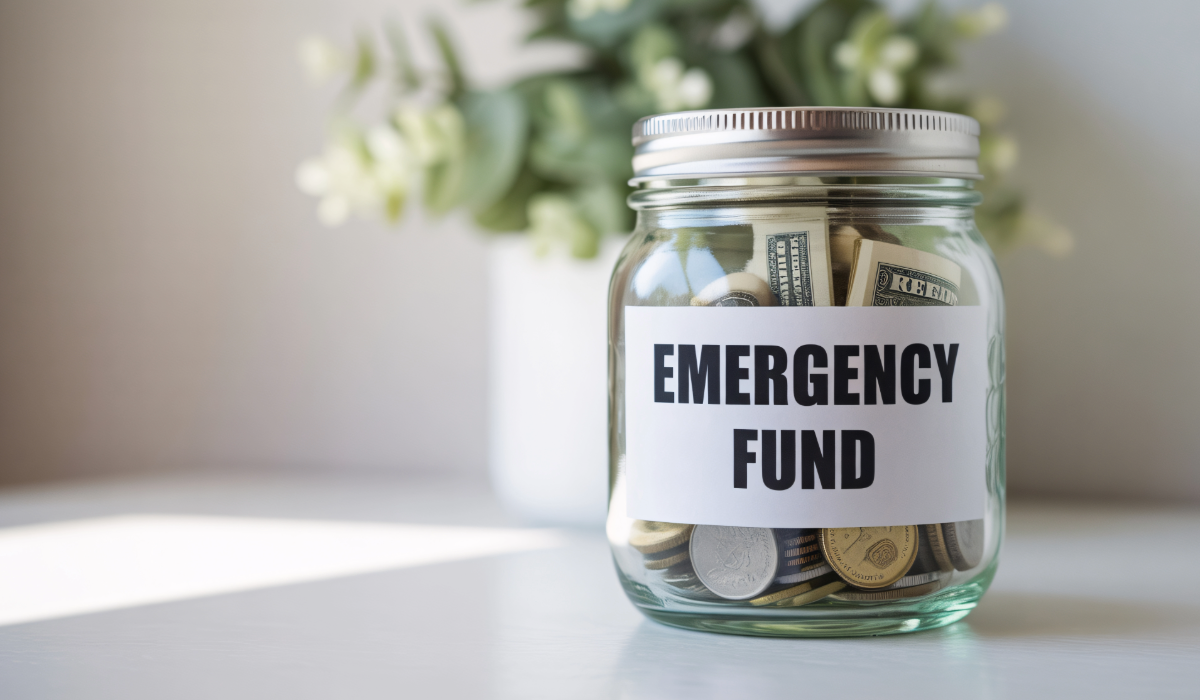
Identify your purpose – daily use, emergency fund, or salary credit
-
Compare banks – interest rates, fees, and services
-
Check hidden charges – especially minimum balance penalties
-
Evaluate digital features – app ratings, UPI reliability
-
Choose a reputed bank – safety and service matter most
Mini Case Study (Real-Life Example)
Ramesh, a first-time account holder, wanted easy UPI access with no balance pressure. He chose a zero-balance digital savings account from a reputed bank. By doing so, he avoided monthly penalties and managed all transactions online without visiting a branch.
Common Mistakes Beginners Should Avoid
-
Choosing an account only for higher interest
-
Ignoring minimum balance requirements
-
Overlooking bank reputation and service quality
-
Opening multiple savings accounts unnecessarily
-
Not checking fees and penalty charges
📌 Expert Advice:
A safe, low-cost, and convenient account is better than one offering marginally higher interest.
Frequently Asked Questions (FAQs)
Can I open a savings account online in India?
Yes. Most banks allow online opening using Aadhaar, PAN, and video/selfie KYC.
Is money in a savings account safe?
Yes. Deposits are insured up to ₹5 lakh per bank under DICGC, as per Reserve Bank of India guidelines.
Can I have more than one savings account?
Yes, but multiple accounts may increase fees and complexity.
Is savings account interest taxable?
Yes. Interest is taxable, but up to ₹10,000 per year is exempt under Section 80TTA (below age 60).
Which is better: zero-balance or regular savings account?
Zero-balance accounts are ideal for beginners; regular accounts suit those maintaining higher balances.
Key Takeaways
-
Choose savings accounts based on fees, accessibility, and reliability
-
Zero-balance and digital accounts are best for beginners
-
Always check minimum balance rules and hidden charges
-
Prefer banks with strong digital banking and support
-
Use savings accounts as a foundation for good money habits
Conclusion
Choosing the right savings account in India is a crucial first step toward financial stability. Beginners should focus on low-cost, easy-to-use, and secure accounts instead of chasing high interest rates alone.
A well-chosen savings account protects your money, simplifies daily transactions, and supports your journey toward saving, investing, and long-term wealth creation in 2026 and beyond.
About the Author
Hussain is a personal finance writer focused on helping Indian beginners make smart banking, saving, and money-management decisions through clear, practical guidance.
Internal Links
External References
Disclaimer
This article is for educational purposes only and does not constitute financial or investment advice. Banking rules, interest rates, and charges may change. Always verify details with your bank.