
Personal Finance Mistakes to Avoid in India A Beginner-Friendly Guide for 2026
Avoid common personal finance mistakes in India such as overspending, lack of savings, high debt, and poor financial planning. This practical 2026 guide helps beginners build financial stability step by step.
Introduction: Why Most Indians Struggle With Money
Personal finance mistakes in India are one of the biggest reasons people experience long-term financial stress—not low income.
Many Indians earn reasonably well, yet struggle with:
-
Zero savings
-
Rising debt
-
Constant money anxiety
The root cause is rarely income. It’s repeated small financial mistakes made over time.
Managing money wisely is not about earning more. It’s about tracking spending, planning ahead, and building the right habits. Credit card debt, lack of emergency savings, delayed insurance, and poor investment decisions usually come from behavior—not lack of ability.
The good news? Most personal finance mistakes in India are completely avoidable.
This beginner-friendly guide explains the most common personal finance mistakes to avoid in India in 2026, why they happen, and how to fix them with practical, realistic steps.
1. Living Without a Budget (The Most Common Mistake)
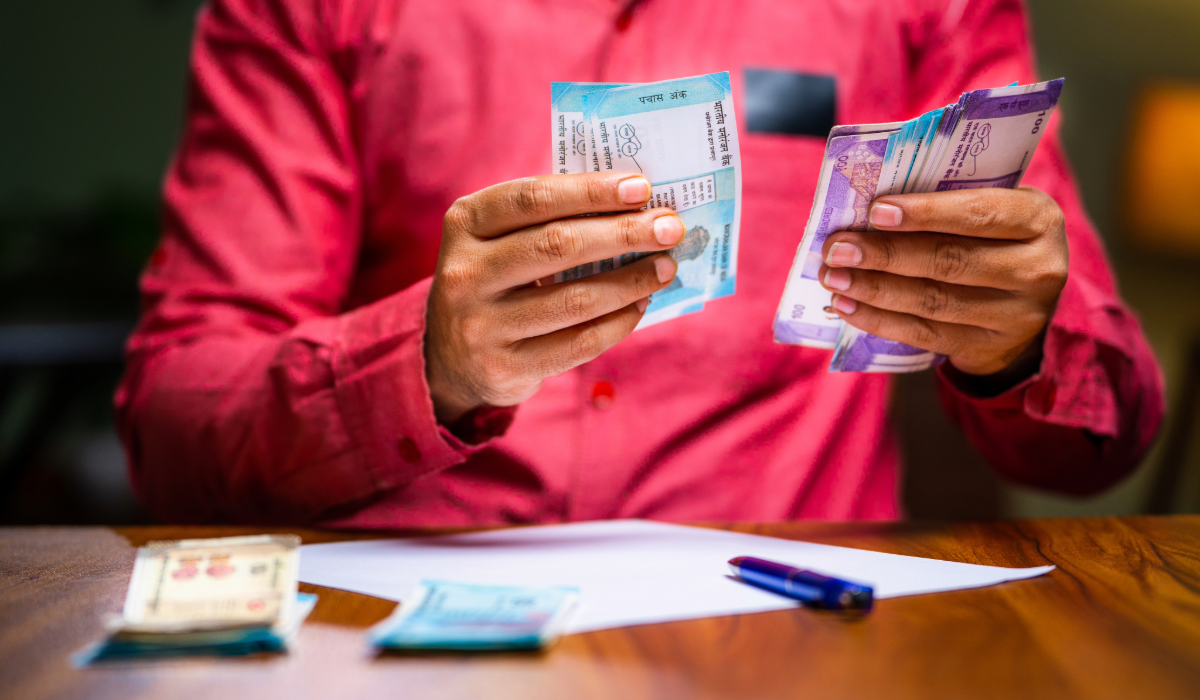
One of the biggest personal finance mistakes in India is living without a budget. Many beginners assume they “know” where their money goes—but in reality, money leaks through small daily expenses.
Why This Is a Serious Problem
Living without a budget leads to:
-
Overspending on non-essentials
-
No clarity on savings
-
Increased reliance on credit cards
-
Constant financial uncertainty
Without a budget, saving becomes accidental instead of intentional.
How to Avoid This Mistake
Start with a simple monthly budget, not complex systems.
Basic steps:
-
Calculate total monthly income
-
List fixed expenses (rent, EMIs, bills)
-
Estimate variable expenses (food, transport, entertainment)
-
Decide savings before spending
Example (Income: ₹30,000):
| Category | Amount (₹) |
|---|---|
| Rent | 10,000 |
| Bills & utilities | 3,000 |
| Food & groceries | 7,000 |
| Travel & leisure | 5,000 |
| Savings | 5,000 |
📌 A simple budget is the foundation of all good personal finance decisions.
(Internal link opportunity: Best Budgeting Tips for Beginners in India)
3. Overusing Credit Cards
Credit cards are useful tools, but misuse is one of the most damaging personal finance mistakes in India—especially for beginners.
Common Credit Card Mistakes
-
Paying only the minimum due
-
Using cards for lifestyle spending
-
Treating credit limits as extra income
Why This Is Dangerous
-
Interest rates can exceed 36–42% annually
-
Debt grows silently
-
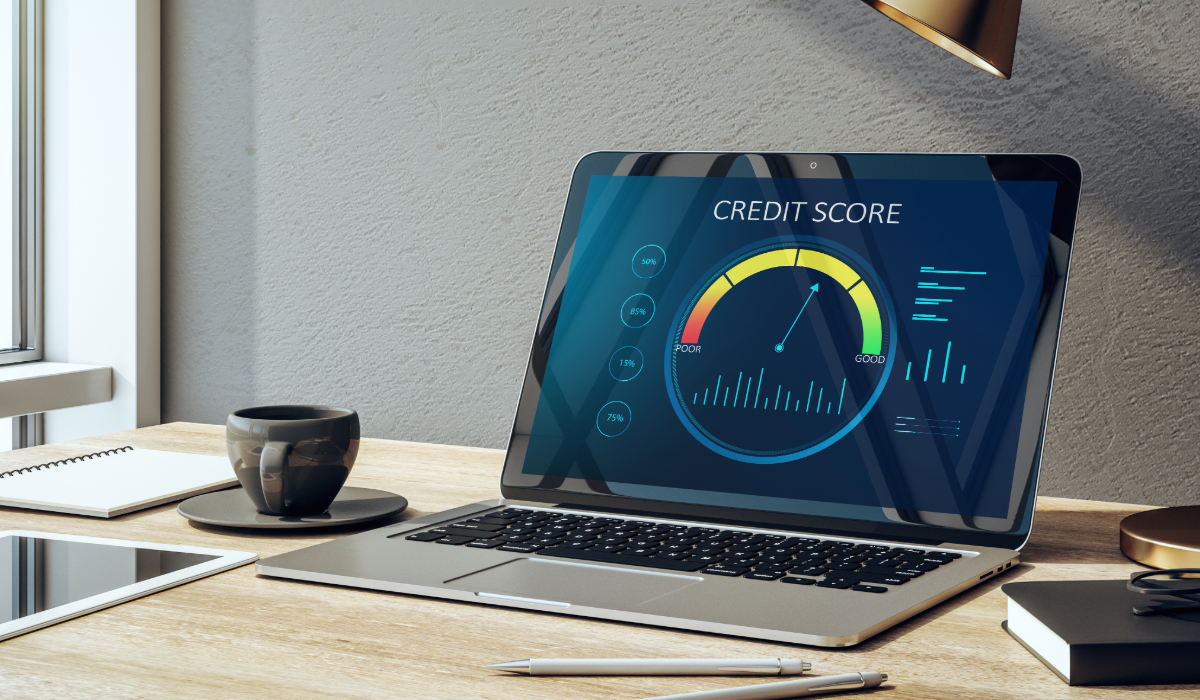
Credit scores get damaged
How to Avoid This Mistake
-
Always pay the full bill every month
-
Use credit cards only for planned expenses
-
Keep credit usage below 30% of the limit
-
Avoid “Buy Now, Pay Later” for non-essentials
Small delays today can turn into years of debt tomorrow.
4. Ignoring Insurance (A High-Risk Mistake)
Ignoring insurance is one of the costliest personal finance mistakes in India. Many beginners think insurance is unnecessary—until an emergency wipes out years of savings.
Essential Insurance for Beginners
Health Insurance
-
Covers hospital bills
-
Protects savings from medical inflation
Term Life Insurance (If You Have Dependents)
-
Provides financial security to family
-
High coverage at low cost
Key Rules
-
Buy insurance early for lower premiums
-
Insurance is protection, not investment
-
Avoid mixing insurance with savings products
One serious illness without insurance can destroy financial stability.
5. Delaying Financial Planning (“I’ll Do It Later” Trap)
Delaying financial planning is a silent but common personal finance mistake in India.
Why Early Planning Matters
-
Gives clarity on goals (home, education, retirement)
-
Allows compounding to work in your favor
-
Reduces future debt dependence
How Beginners Can Start
-
Track income and expenses
-
Build an emergency fund
-
Start small investments (PPF, SIPs, FDs)
-
Review goals once a year
Even small, consistent actions matter more than perfect plans.
6. Lifestyle Inflation After Salary Hikes
Lifestyle inflation happens when expenses rise immediately after income increases—while savings remain unchanged.
Why This Hurts
-
No improvement in financial security
-
Higher fixed expenses
-
Increased stress despite higher income
How to Avoid It
-
Increase savings with every salary hike
-
Upgrade lifestyle consciously, not emotionally
-
Keep fixed expenses under control
More income should improve your future—not just your spending.
7. Investing Without Understanding the Basics
Many beginners invest based on social media tips or peer pressure. This often leads to losses and fear of investing itself.
How to Avoid This Mistake
-
Learn basics before investing
-
Understand risk vs return
-
Avoid quick-profit schemes
-
Focus on long-term goals
Investing should come after budgeting, saving, and insurance—not before.
Common Personal Finance Mistakes Checklist
| Mistake | How to Avoid |
|---|---|
| No budget | Track income & expenses |
| No emergency fund | Save 3–6 months of expenses |
| Credit card misuse | Pay full bills monthly |
| Ignoring insurance | Buy health & term insurance |
| Delaying planning | Start early, review yearly |
| Lifestyle inflation | Increase savings with income |
| Blind investing | Learn basics first |
Frequently Asked Questions (FAQs)
What is the first step to avoid personal finance mistakes in India?
Tracking income and expenses using a simple budget.
How much emergency savings should I have?
Aim for 3–6 months of essential expenses. Start small and build gradually.
Are credit cards bad?
No. They are useful if bills are paid in full and spending is controlled.
When should financial planning start?
Immediately—regardless of income level.
Conclusion
Most financial stress in India is not caused by low income, but by avoidable personal finance mistakes. Overspending, lack of emergency savings, high debt, ignoring insurance, and delayed planning quietly destroy financial stability.
By building small, consistent habits—budgeting, saving, controlling debt, and planning ahead—you can create a strong financial foundation without stress or extreme sacrifice.
Start small. Stay disciplined. Improve gradually.
These habits compound into long-term financial confidence and freedom.
About the Author
Hussain is a personal finance writer with over a decade of experience helping Indian beginners and salaried professionals build strong money habits. His work focuses on budgeting, saving, debt control, and practical financial education.
References & Resources
Read Recommendations
Best Budgeting Tips for Beginners in India (Simple Guide for 2026)
Personal Finance Basics Every Beginner Should Know (India – 2026 Guide)
References & Resources
- Reserve Bank of India (RBI) – Financial Education
- Securities and Exchange Board of India (SEBI) – Investor Awareness
Disclaimer
This article is for educational purposes only and does not constitute financial advice. Always assess your personal financial situation and consult certified professionals before making financial decisions.



2 thoughts on “7 Personal Finance Mistakes to Avoid in India A Beginner-Friendly Guide for 2026”