

Emergency Fund in India 2026: Step-by-Step Guide for Beginners
Emergency Fund in India 2026 Learn how to build an emergency fund in India in 2026. Step-by-step guide for beginners to save consistently and stay financially secure.
Introduction: Emergency Fund in India 2026
An emergency fund is a financial safety net that protects you from unexpected expenses such as medical emergencies, sudden job loss, urgent home repairs, or unplanned travel. Unfortunately, many beginners in India overlook this crucial step, which can lead to high-interest debt or financial stress when emergencies strike.
Building an emergency fund may sound challenging, but with a step-by-step approach, even small monthly contributions can grow into a significant safety net over time. This guide explains how to create, maintain, and use an emergency fund effectively, tailored for beginners in India.
RBI Insight (2024): Over 60% of Indian households do not have sufficient emergency savings, highlighting the need for disciplined planning.
Step 1: Decide Your Emergency Fund Goal
Before saving, determine how much you need. Financial experts in India recommend keeping 3–6 months of essential expenses in your emergency fund.
What to include in your calculation:
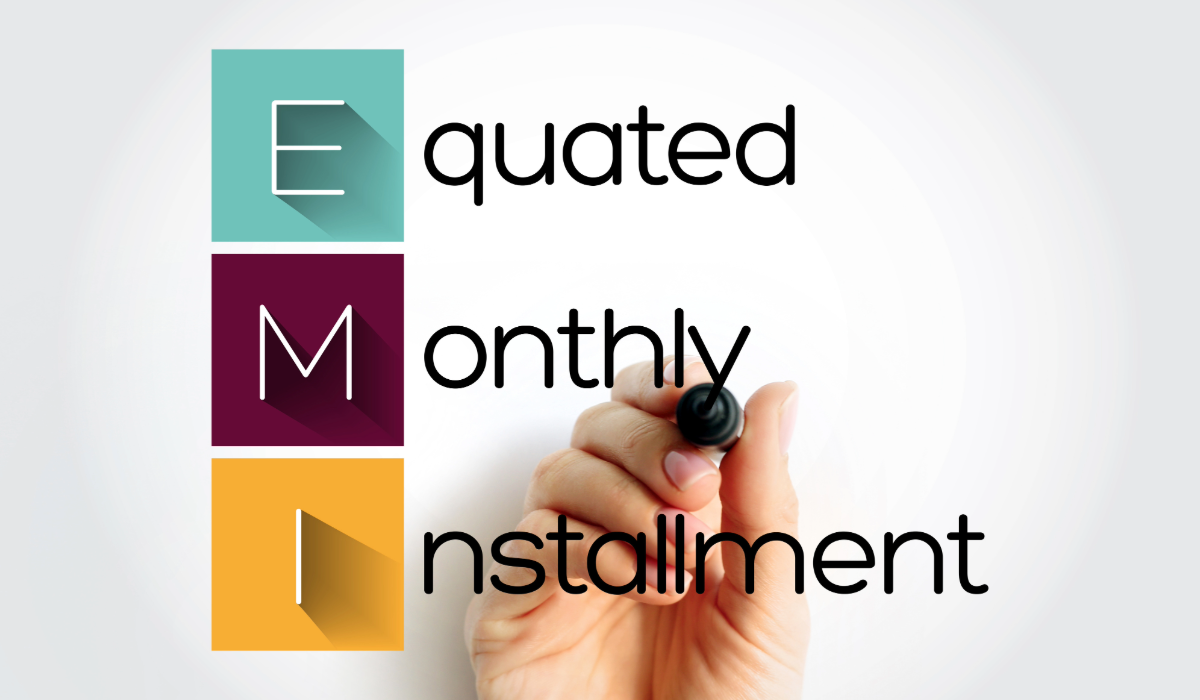
- Rent or EMI
- Utility bills (electricity, water, internet, mobile)
- Groceries and daily necessities
- Transport costs
- Loan payments (if any)
Example:
If your monthly expenses are ₹20,000, your emergency fund target should be between ₹60,000 and ₹1,20,000.
Pro Tip: Start with a smaller target (like 3 months) if 6 months seems overwhelming. You can increase it gradually.
Step 2: Start Small and Be Consistent
Even small contributions add up over time. Beginners can start with ₹500–₹1,000 per month. The key is consistency, not the initial amount.
Why starting small works:
- Builds a saving habit without affecting your lifestyle
- Reduces financial stress
- Provides momentum to gradually increase monthly contributions
Example: Saving ₹1,000 per month results in ₹12,000 in one year—enough for minor emergencies.
Step 3: Keep Your Emergency Fund Separate
To avoid temptation, your emergency fund should be stored separately from your regular spending account.
Best options in India:
- Savings account: Easy access, low risk
- Liquid mutual funds: Low risk with slightly higher returns, liquidity within 24 hours
Pro Tip: Avoid using fixed deposits or long-term investments—you need immediate access in emergencies.
Step 4: Automate Your Savings
Automation is the easiest way to stay consistent. Most banks and digital wallets in India allow auto-debit or standing instructions.
Benefits of automation:
- Prevents missed contributions
- Builds your fund without thinking about it
- Reinforces financial discipline
Example: Set ₹1,000 auto-debit every month on salary credit day. Over time, this creates a strong emergency buffer.
Step 5: Use the Fund Only for True Emergencies
The emergency fund should never be used for lifestyle expenses like shopping, travel, or gadgets for Emergency Fund in India 2026.
When to use it:
- Medical emergencies
- Sudden job loss
- Urgent home repairs
- Unexpected family emergencies
Pro Tip: Track withdrawals and replenishments. If you use part of the fund, restart contributions immediately to restore your safety net.
Step 6: Track Growth and Plan Contributions
Here’s a practical table showing emergency fund growth based on monthly contributions:
|
Monthly Contribution (₹) |
6 months |
12 months |
24 months |
|
500 |
3,000 |
6,000 |
12,000 |
|
1,000 |
6,000 |
12,000 |
24,000 |
|
2,000 |
12,000 |
24,000 |
48,000 |
Even starting small, consistent saving can help you reach a full emergency fund target within 2–3 years.
Common Mistakes to Avoid
- Using the fund for lifestyle expenses
- Failing to separate it from regular accounts
- Missing monthly contributions
- Setting unrealistic targets that lead to discouragement
Key Takeaways
- Decide a realistic fund target (3–6 months of expenses)
- Start small, but save consistently every month
- Keep your emergency fund separate and liquid
- Automate contributions for discipline
- Use the fund only for true emergencies
- Track growth and adjust contributions gradually
- follow all the steps for Emergency Fund in India 2026
Frequently Asked Questions (FAQs)
Q1: How much should a beginner save for an Emergency Fund in India 2026?
A: Aim for 3–6 months of essential expenses. Start small and gradually increase contributions.
Q2: Where should I keep my Emergency Fund in India 2026?
A: Use a savings account or liquid mutual fund for safety and easy access. Avoid long-term or risky investments.
Q3: Can I use my emergency fund for short-term goals?
A: No. It should be reserved exclusively for unexpected financial situations.
Q4: How long does it take to build an Emergency Fund in India 2026?
A: With small monthly contributions, a basic fund can be built in 6–12 months. The full target may take 2–3 years depending on your monthly savings.
Q5: Can recurring deposits (RD) be used for emergency funds?
A: Yes, but ensure partial withdrawal is possible. Liquid options are better for immediate access.
Conclusion
Building an emergency fund is one of the most important steps for financial security in India. Even small, consistent savings, a separate fund, and disciplined use can protect you from unexpected financial stress.
Pro Tip: Start now, automate your contributions, and gradually increase your savings. Over time, your emergency fund will provide peace of mind and a strong foundation for financial stability.
About the Author
Hussain is a personal finance writer with over 10 years of experience helping Indian beginners and salaried professionals manage money effectively. He focuses on budgeting, saving, and practical financial education, using real-life examples and research-backed strategies to simplify personal finance for everyday use.
Read recommendations
Personal Finance Mistakes to Avoid in India (2026 Beginner’s Guide)
References & Resources
Disclaimer
This article is for educational purposes only and does not constitute financial advice. Always assess your personal financial situation and consult certified financial professionals before making financial decisions.





3 thoughts on “Emergency Fund in India 2026 : Step-by-Step Guide for Beginners”