How to Track Expenses Daily in India: A Beginner-Friendly Guide
How to Track Expenses Daily in India Learn simple and practical ways to track daily expenses in India, manage money effectively, and save smartly with proven methods, real examples, and beginner-friendly apps.
Introduction
Managing daily finances can be challenging for many Indians. Small, seemingly insignificant expenses—such as tea, snacks, local transport, or online subscriptions—often go unnoticed but add up quickly over time. Without tracking where your money goes, it becomes difficult to plan budgets, avoid overspending, or save consistently for future goals.
Tracking expenses daily is a simple yet powerful financial habit. This guide on How to Track Expenses Daily in India helps you understand spending patterns, control impulsive purchases, and develop long-term financial discipline using practical and beginner-friendly methods.
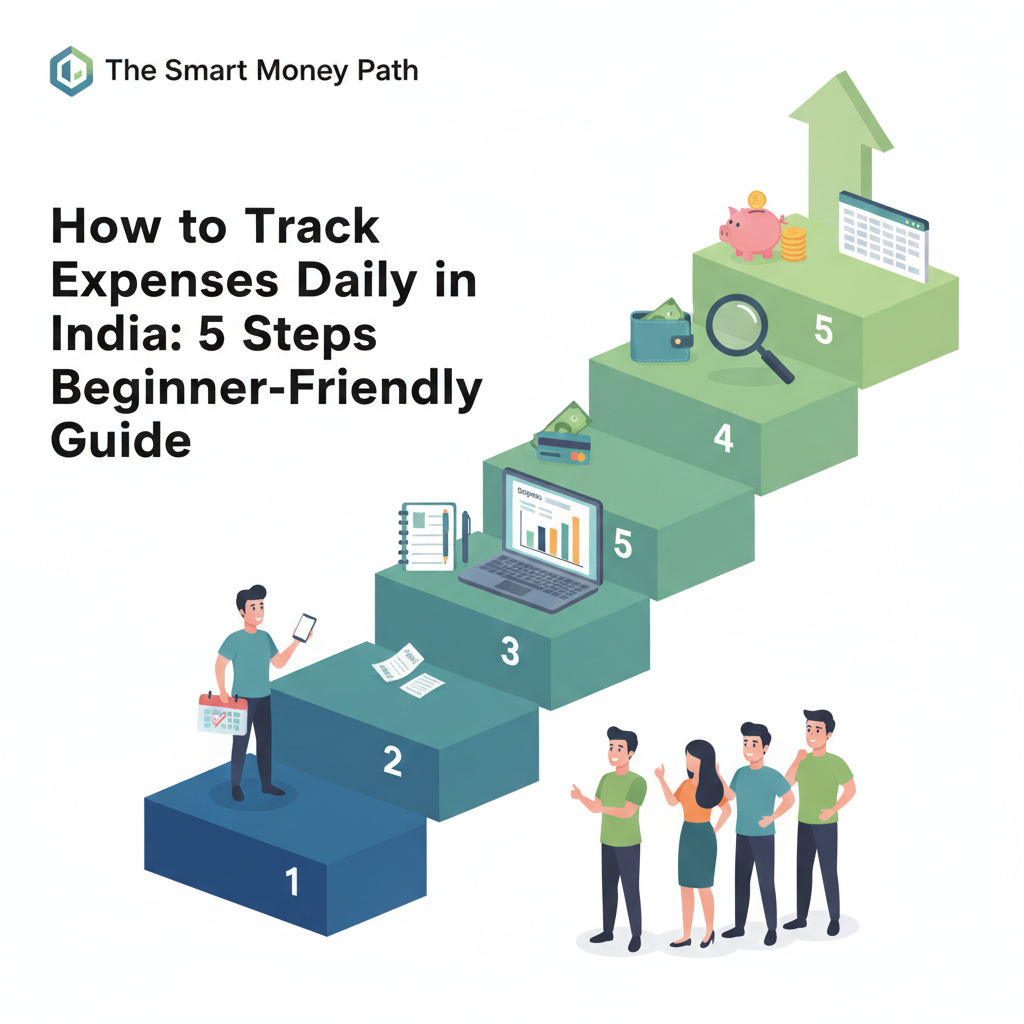
How to Track Expenses Daily in India: A Practical Overview
Understanding How to Track Expenses Daily in India allows individuals to make informed financial decisions and gain better control over their money.
Key benefits include:
- Identify spending patterns: Know exactly where every rupee is spent.
- Control impulsive purchases: Reduce unnecessary and emotional spending.
- Improve savings: Allocate money toward emergencies, investments, and goals.
- Create realistic budgets: Plan monthly and yearly budgets using real data.
Pro Tip: Small expenses like ₹20 snacks or ₹50 coffee purchases may seem minor, but tracking them often reveals significant saving opportunities.
Insight: Financial literacy studies in India consistently show that many households underestimate small daily expenses, leading to gaps in monthly budgeting and savings planning.
Step-by-Step Guide to Track Expenses Daily in India
1. Record Every Expense Immediately
The foundation of expense tracking is simple: record every transaction as it happens.
Common methods:
- Notebook or ledger: Simple and effective for manual tracking
- Mobile apps for Indian users: Walnut, Money Manager, GoodBudget, Monefy
- Excel or Google Sheets: Useful for detailed analysis
Make sure to include cash, UPI, debit card, and credit card transactions.
Example:
|
Date |
Item |
Amount (₹) |
Mode |
|
15-Dec-2025 |
Grocery |
450 |
UPI |
|
15-Dec-2025 |
Lunch |
200 |
Cash |
|
15-Dec-2025 |
Mobile Recharge |
199 |
Card |
2. Categorise Your Expenses
Categorisation helps identify patterns and control overspending.
Common expense categories in India:
- Needs: Rent, groceries, utilities, transport, EMIs
- Wants: Dining out, entertainment, shopping
- Savings & Investments: SIPs, PPF, RD, emergency fund
Tip: Apps like Money Manager automatically categorise expenses, saving time and reducing errors.
3. Set a Daily Budget
Setting daily limits is an essential part of learning How to Track Expenses Daily in India effectively.
A commonly used budgeting approach is:
- 50% Needs
- 30% Wants
- 20% Savings
Example (Monthly Income: ₹50,000):
|
Category |
Daily Budget (₹) |
|
Needs (50%) |
833 |
|
Wants (30%) |
500 |
|
Savings (20%) |
333 |
Adjust percentages based on income stability and personal goals.
4. Use Technology for Easy Tracking
Budgeting apps simplify How to Track Expenses Daily in India by automating entries and offering visual reports.
- Walnut: Tracks bank, card, and UPI transactions
- Money Manager: Visual charts and detailed reports
- GoodBudget: Envelope-style budgeting
- Monefy: Simple and quick manual logging
Pro Tip: Always review auto-tracked entries for accuracy, especially cash spending.
5. Review Expenses Daily
Spend 5–10 minutes at the end of each day reviewing expenses:
- Did you exceed any category limits?
- Were there unnecessary purchases?
- Can tomorrow’s spending be reduced?
Visual tools like charts and graphs make trends easier to understand.
6. Review Weekly and Monthly Trends
Daily tracking builds awareness, while weekly and monthly reviews support planning.
Benefits include:
- Identifying recurring expenses
- Spotting unused subscriptions
- Adjusting budgets realistically
- Improving savings consistency
Exporting data to Excel or Google Sheets allows deeper analysis if needed.
Practical Examples of Daily Expense Tracking
Example 1: Young Professional (₹40,000/month)
|
Date |
Item |
Amount (₹) |
Category |
|
15-Dec-2025 |
Breakfast |
100 |
Wants |
|
15-Dec-2025 |
Transport |
50 |
Needs |
|
15-Dec-2025 |
EMI |
10,000 |
Needs |
Example 2: College Student (₹15,000/month)
|
Date |
Item |
Amount (₹) |
Category |
|
15-Dec-2025 |
Snacks |
40 |
Wants |
|
15-Dec-2025 |
Grocery |
500 |
Needs |
|
15-Dec-2025 |
Internet |
399 |
Needs |
Mini Case Study
A salaried professional in Delhi tracked daily UPI and cash expenses for one month. By identifying small recurring spends—such as a ₹50 daily coffee—the individual saved ₹1,500 per month, which was redirected into an emergency fund.
Common Mistakes to Avoid
- Skipping small expenses
- Incorrect categorisation
- Inconsistent tracking
- Ignoring cash transactions
- Not reviewing expenses regularly
Personal Finance Mistakes to Avoid in India (2026 Beginner’s Guide)
Avoiding these mistakes improves accuracy and long-term financial results.
Frequently Asked Questions (FAQs) for How to Track Expenses Daily in India
Q1: Is learning How to Track Expenses Daily in India useful for beginners?
Yes. Beginners benefit greatly as it builds awareness and financial discipline.
Q2: How much time does daily tracking take?
Around 5–10 minutes per day when done consistently.
Q3: Can tracking expenses really help save money?
Yes. It increases awareness and highlights unnecessary spending.
Q4: Which apps are best for Indian users?
Walnut, Money Manager, GoodBudget, and Monefy are beginner-friendly.
Q5: Should income also be tracked?
Yes. Tracking income ensures accurate budgeting and realistic savings goals.
Key Takeaways
- Track all expenses daily, including cash and UPI
- Categorise spending into needs, wants, and savings
- Set realistic daily budgets
- Use apps or spreadsheets for clarity
- Review spending daily, weekly, and monthly
- Consistency matters more than perfection
Conclusion
Daily expense tracking is a simple habit with long-term benefits. Whether you are a student, young professional, or middle-income earner in India, tracking and reviewing your spending helps control finances, avoid unnecessary debt, and build sustainable saving habits. Start small, remain consistent, and strengthen your financial discipline over time.
External sources :
RBI financial literacy resources
NCFE financial education resources
Disclaimer
This article is for educational purposes only and does not constitute financial, investment, or legal advice. Financial decisions involve risk. Readers are advised to consult a certified financial planner or advisor before making major financial decisions.
About the Author
The author is a personal finance writer with several years of experience creating educational content on budgeting, saving, and money management for Indian readers. The focus is on simple, practical, and responsible financial habits that support long-term financial stability.